

Outdated massage techniques can hijack a session the moment a client quotes your blog. A runner arrives asking for a method you retired. Your therapist spends precious minutes repairing expectations instead of beginning care. If this sounds familiar, you can recalibrate language, align consent, and keep search visibility intact without losing your clinic’s voice.
Why outdated massage techniques create new problems
Trust takes the first hit
When outdated massage techniques remain on your site, clients walk in expecting one thing while your therapists deliver another. That mismatch feels like a broken promise and makes rebooking less likely.
Therapist safety and scope are at risk
Outdated massage techniques can nudge therapists to override good judgment. Many of those methods were retired for clear reasons like strain on hands, shifting contraindications, or scope updates. Protecting your team protects your clients.
Consent starts on the back foot
If a post still promises a retired method, your consent conversation becomes a repair job. It is harder to start with calm when you first need to explain why the plan has changed.
The ripple touches the whole clinic
A single legacy line can echo through bios, intake forms, and front desk scripts. The sooner you update language, the sooner every touchpoint tells the same story.
Define the issue clearly so you can fix it
Identify what “outdated” means in your clinic
Write down the techniques you no longer offer and why. Include tone patterns like “no pain, no gain” that you no longer endorse. Be specific so your team knows exactly which outdated massage techniques to retire from public pages and scripts.
Center principles that outlast methods
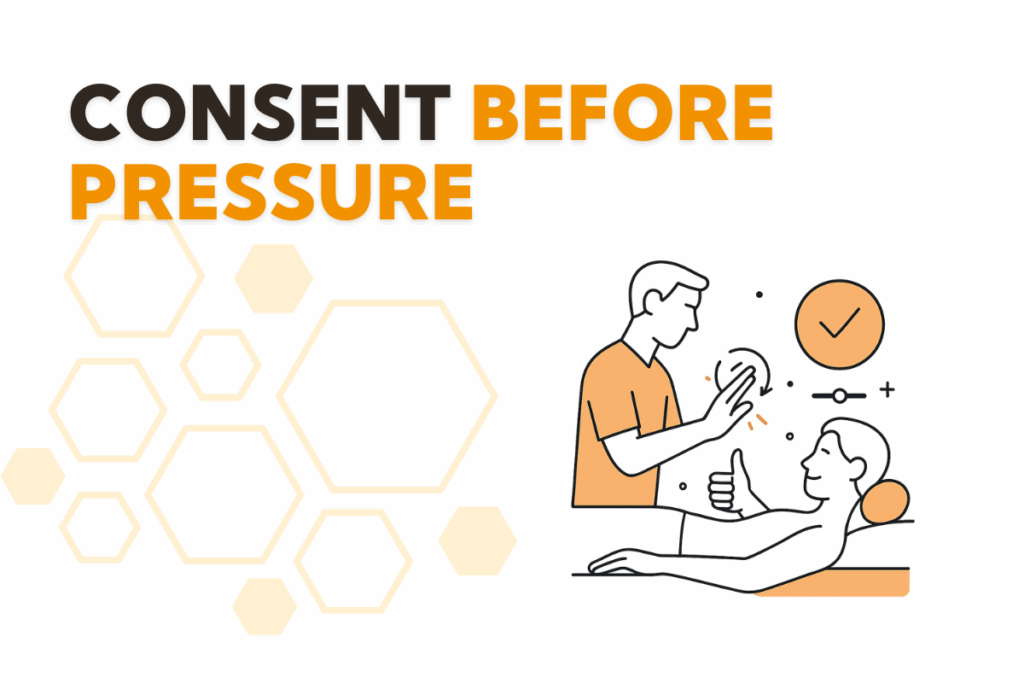
Keep your foundation steady with plain-language principles. Collaboration, informed consent, and appropriateness of pressure remain true even as techniques evolve.
What to say in the moment without getting defensive
Therapist in session
“Thank you for reading our blog. We have updated our approach to keep you safer and improve outcomes. We will tailor today to your goals and comfort. If anything feels off, please tell me and we will adjust together.”
At the desk
“You might have seen an older article. We revised our protocols this year. Your therapist will explain how that looks for you today.”
Follow-up email
“Thanks for flagging that post. We updated our methods to reflect current standards and therapist safety. We are revising the article to match our current guidance. Here is what we recommend for your situation now.”
Run a 90-minute content triage this week
Pull your top posts
Export your highest-traffic posts and the queries they attract. Look for phrases clients repeat during check-in or intake.
Mark mismatches with current practice
Scan for outdated massage techniques, legacy prenatal claims that need conservative framing, and pressure language that conflicts with your consent scripts and therapist bios.
Choose one action per URL
Revise the post in place when the topic still reflects your position. Keep the URL and add a visible “Last updated” near the title. If the premise no longer represents your clinic, map a permanent redirect to a better page so readers land on your current stance.
Close the loop across touchpoints
After updates, adjust service pages, FAQs, confirmation emails, and booking flows so every path reinforces the same message.
Make updates obvious to clients and search
Show clear dates on the page and in markup
Place “Published” and “Last updated” near the title, and mirror those dates with datePublished and dateModified in Article structured data. Clear dating helps surface accurate information in results. Learn more from Google’s documentation: https://developers.google.com/search/docs/appearance/structured-data/article
Keep URLs when you can
If you can revise a post without misleading readers, keep the URL to preserve history and shares. If not, redirect to the most accurate resource and update internal links.
Align language across your ecosystem
Consistency reduces expectation repairs at the desk and in the room. Bring consent language forward with massage clinic online intake so clients confirm preferences before arrival. Track expectation-repair notes inside electronic SOAP notes to see whether changes reduce friction week over week.
Build a page called “What we no longer do, and why”
Structure the message with clarity and care
State plainly which outdated massage techniques you retired, why they were retired, and what you now do instead. Explain benefits to client safety, outcomes, and therapist longevity. Link to your consent and communication principles so clients see how decisions center care.
Avoid common prenatal pitfalls
Use conservative, individualized language
Anchor prenatal content to positioning, comfort, trimester considerations, and individualized assessment. Avoid blanket claims. Reassure clients that pressure and positioning adapt in real time to their comfort and goals.
Create a one-page language guide for your team
Share short, memorable principles
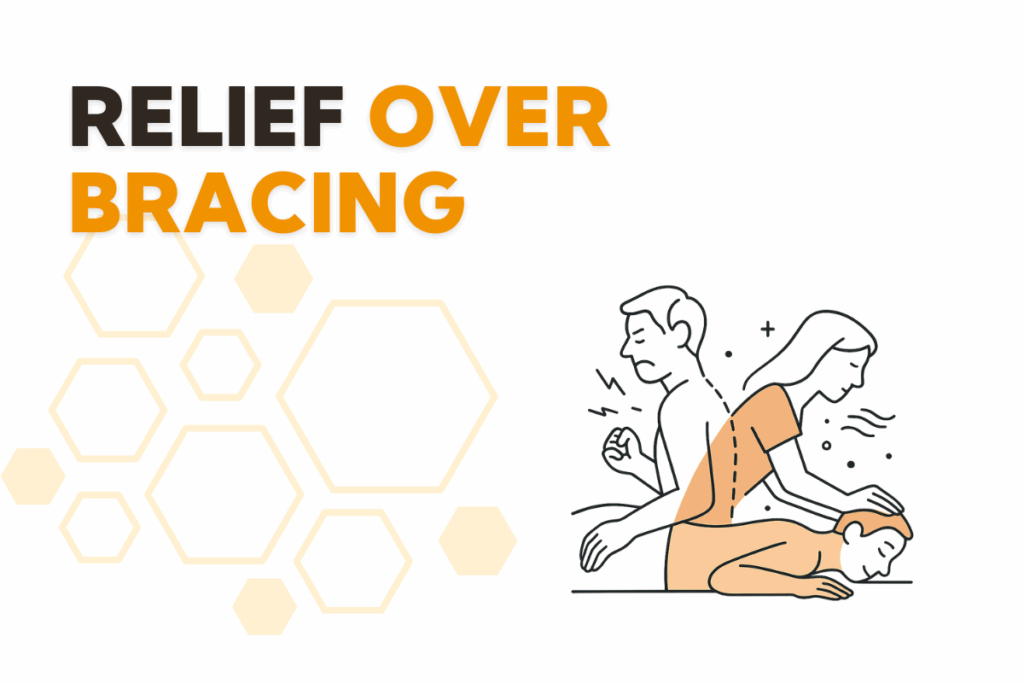
Pressure is collaborative. Relief over bracing. Consent continues during the session. Keep these lines in onboarding and revisit them often.
Replace outdated phrasing with kinder, safer language
Swap “deep equals effective” for “effective means the right pressure for your nervous system today.” Replace “we always do X” with “we choose the approach that fits your goals and comfort today.”
Hold a weekly 10-minute huddle
Read one updated paragraph together. Small repetitions make shared language natural and keep drift from returning.
Track the right signals after the clean-up
Watch client signals
Rebooking rate, fewer expectation repairs in notes, and fewer desk escalations are early wins that your updates are landing.
Track search signals
Look for steady impressions and clicks to updated URLs, a higher share of pages with visible “Last updated,” and a decline in mismatched queries tied to outdated massage techniques.
Check quality signals
Scan forms, emails, and social captions for contradictions. Fewer contradictions mean your new language is consistent across channels.
Your clinic evolves. Let your content show it.
Outdated content is proof that you are learning in public. When you explain how your approach has changed and why, you protect trust, lower friction, and create space for focused, collaborative care. Clients feel safer. Therapists feel supported. Your clinic moves in one direction together.
FAQs
A quarterly review is practical for most clinics. It keeps you ahead of drift and helps you catch references to outdated massage techniques before clients repeat them at check-in.
Update the post and keep the URL if the topic still reflects your philosophy. If the premise has changed completely, use a permanent redirect so readers land on your current guidance rather than outdated massage techniques.
Create a one-page language guide, rehearse key lines in weekly huddles, and mirror that language in intake, consent, and service pages. Consistency lowers the chance that outdated massage techniques sneak back in.
Acknowledge the request, explain your reason for change in simple terms, and offer an evidence-informed alternative. Invite feedback during the session. This reframes the conversation and moves it away from outdated massage techniques toward care that fits today.