Handling Client Dissatisfaction in Massage Clinics

Handling client dissatisfaction in massage clinics

Turn Complaints Into Opportunities for Growth

Handling client dissatisfaction in massage clinics isn’t just a soft skill—it’s essential to long-term success. A 2023 service industry report revealed that nearly 68% of clients won’t return after a negative experience. Even more concerning, many will share that experience with others. The good news? When issues are addressed promptly and respectfully, those same clients are more likely to return—and even recommend your clinic.

As a clinic owner, you know you can’t please everyone every time. What sets successful clinics apart is how they respond when something goes wrong. The key isn’t to eliminate every complaint—it’s to develop a clear, consistent approach to handling concerns with empathy, professionalism, and follow-through.

When done well, this approach doesn’t just protect your reputation—it strengthens it. By recognizing common sources of frustration, equipping your team with the right communication tools, and implementing systems to improve service, you can turn one-time complaints into long-term loyalty and growth.

Common Causes of Dissatisfaction in Massage Clinics

Most client dissatisfaction stems from a breakdown in expectations, communication, or professionalism.

Often, clients arrive expecting one type of treatment—like deep tissue massage—and receive another. This usually isn’t about poor service but unclear communication. Intake forms might not capture preferences clearly, and therapists may hesitate to ask detailed questions during the session.

Communication missteps can also make clients feel unheard. If there’s no check-in during the massage or if aftercare instructions are vague, dissatisfaction tends to build silently. Add in unclear policies around tipping, cancellations, or refunds, and even a great massage can end on a sour note.

Sometimes, the problem isn’t the massage at all—it’s the environment. A cold room, late-running appointments, or a disorganized front desk can quickly undermine the entire experience. Clients evaluate their time with you as a whole, not just what happens on the table.
Hear. Resolve. Retain

Preventing Issues Before They Arise

The client experience starts long before the therapist enters the room. A strong intake process is your first opportunity to set expectations. Go beyond just checking boxes—ask what kind of results the client is looking for, whether they’ve had negative experiences in the past, and what pressure feels comfortable to them. Tools like Hivemanager’s customizable intake forms can help automate and standardize this process.

Communication should be simple and consistent. Greet clients warmly and confirm their goals before beginning. During the session, take a moment to check in and make sure the pressure feels right. At checkout, ask how everything felt—not as a formality, but as a genuine invitation for feedback.

Consistency across your clinic is critical. That means dependable appointment times, clear cleanliness protocols, and well-communicated policies. When every team member—from the front desk to the treatment room—shares the same standards, clients feel more confident in your care.

Responding to Complaints with Confidence

When a complaint comes in, your first job is to listen—without defending or explaining. Let the client speak, then reflect what you’ve heard: “It sounds like the session didn’t meet your expectations because…” Acknowledge their feelings, even if the concern seems minor.

Next, investigate the situation internally. Review session notes and intake forms. Speak with the therapist to understand their perspective. Look at whether this issue could be part of a larger pattern.

Resolution should be timely and fair. Some clients may want a refund, but many simply want to feel heard and valued. A sincere apology, a credit toward a future session, or a thoughtful follow-up message often goes a long way. Aim to respond within 24 to 48 hours—any delay risks deepening their frustration.

Document what happened and how it was resolved. Use that information to update your internal training, adjust policies, or refine your intake process. Every complaint is an opportunity to improve your system.

Creating a Feedback-Driven Culture

Don’t wait for issues to escalate—invite feedback consistently. Post-session emails or text surveys can help you catch concerns early. You can also add an anonymous suggestion box at the front desk to give clients another way to share their thoughts.

Train your team to view feedback as a tool for growth. Roleplay common scenarios, practice active listening, and explore de-escalation techniques together. When staff feel supported, they’re more likely to handle complaints with grace and professionalism.

Make your policies clear and client-friendly. Use simple, conversational language. Post them on your website and display them in your clinic. If you charge for late cancellations, explain why: it protects your team’s time and income. When staff can confidently communicate these policies, clients are more likely to respect them.
Trust Starts Here

Strengthening Client Relationships Over Time

Trust is the foundation of long-term client relationships. A thank-you message after a first visit or a personalized follow-up with self-care tips can go a long way in making clients feel seen and valued.

Even with loyal clients, treat complaints with care. Listen attentively. Thank them for speaking up. Let them know what you’ll do differently next time. Use session notes to highlight progress and celebrate wins. Mention how their shoulder mobility has improved or how their stress levels seem more manageable. Clients want to feel that their investment is making a difference—and that you’re invested in them, too.

Build Loyalty Through Responsiveness

No clinic is perfect—but clients don’t expect perfection. They expect responsiveness. Clinics that actively listen, learn, and improve based on client feedback don’t just avoid bad reviews—they create meaningful, lasting relationships.

Handling client dissatisfaction in massage clinics isn’t about damage control. It’s about showing your commitment to care, even when things don’t go as planned. When you view complaints as opportunities—not interruptions—you foster a culture of trust, accountability, and growth that benefits everyone involved.

FAQs

What’s the best way to prevent negative online reviews?

Follow up with clients quickly after their session and invite them to share feedback privately. Address concerns early before they escalate.

Should I offer a refund every time a client is unhappy?

Not always. Start by listening. Often, a credit toward a future session or a complimentary add-on is more appropriate than a full refund.

How can I train my staff to better handle complaints?

Provide training on active listening and emotional intelligence. Roleplay real-life situations and encourage team discussions on how to handle difficult conversations.

How do I know if a complaint is valid or just based on preference?

Review session notes, intake forms, and therapist feedback to get an objective view. Even preference-based complaints can point to communication gaps worth improving.

Managing Client Wait Times in Your Massage Clinic

managing client wait times

Turning Wait Time Challenges Into Growth Opportunities

Managing client wait times is one of the biggest hidden challenges that can quietly erode the success and reputation of a massage therapy clinic. Studies show that 75% of clients are more likely to leave a service provider if they experience frequent delays—even if they love the service itself. In a service-based industry where every interaction matters, managing client wait times is not just about avoiding frustration; it’s about protecting the trust, loyalty, and long-term relationships that your clinic is built on.

Unchecked delays don’t just impact client satisfaction—they create a ripple effect that can lead to therapist burnout, operational chaos, and lost revenue opportunities. Clients today expect seamless experiences, and when your clinic consistently delivers on time, it sends a powerful message about professionalism and respect.

Fortunately, managing client wait times is not just about patching a problem—it’s about building a healthier, more sustainable business where clients feel valued, your team thrives, and growth becomes a natural outcome.

In this guide, we’ll explore why managing client wait times is critical, the hidden costs of neglecting it, and the step-by-step strategies you can implement right away to create smoother operations and an exceptional client experience.

Understanding the True Impact of Client Wait Times

How Wait Times Affect Client Retention

Long delays frustrate even the most loyal clients. If managing client wait times isn’t a priority, clients may slowly book less often, explore other options, or worse—leave without saying a word. First impressions set the tone for client loyalty, and poor wait time management can silently damage your brand.

Burnout and Staff Turnover

When therapists are squeezed too tightly between sessions, physical and mental burnout follows. Managing client wait times helps ensure your team can perform their best, avoiding costly turnover and protecting the consistency of client care.

Operational Bottlenecks

Without clear systems, small scheduling issues can quickly spiral into double bookings, rushed sessions, and chaotic front desk operations. Managing client wait times means creating a smoother flow for everyone in your clinic, from staff to clients.

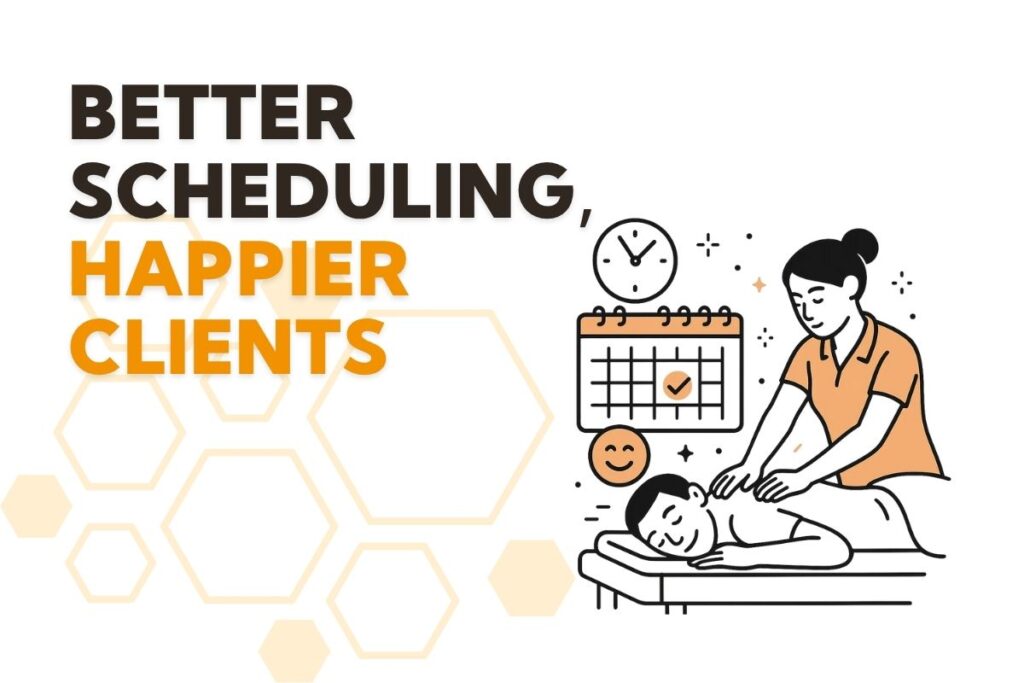
Better Scheduling, Happier Clients

Streamlining Scheduling Systems for Success

Why Online Booking Systems Matter

An easy-to-use online booking platform is foundational for managing client wait times effectively. Clients expect seamless, real-time access to book and manage their sessions. Choosing a system that automatically updates availability reduces double-bookings and frees up your front desk.

Pro Tip: Integrate your booking tool with your CRM. Features like automated appointment booking and waitlist management can significantly improve your ability to handle client flow without added stress.

Keep Availability Updated

Therapist schedules can change quickly. Managing client wait times requires that your online calendar reflects real-time availability to avoid client confusion or frustration.

Use Automated Reminders

Missed appointments create chaos. Managing client wait times gets easier with appointment reminders sent by SMS or email, giving clients a chance to reschedule and opening spots for others.

Scheduling Smarter, Not Harder

Build In Buffer Times

Back-to-back sessions leave no margin for late arrivals or extended treatments. Managing client wait times well involves leaving 5–10 minute buffers between appointments to absorb small delays and keep the schedule moving.

Stagger Appointments Strategically

If every session starts on the hour, it can cause a pile-up at reception. Stagger start times slightly among therapists to create a smoother client flow and enhance the experience.

Prioritize Services Thoughtfully

Longer, more complex services should be strategically placed during quieter hours. Managing client wait times effectively means balancing quick sessions and extended treatments so that one doesn’t disrupt the other.

Strengthening Communication with Clients

Set Clear Expectations

Clear communication is one of the best tools for managing customer wait times. Inform clients about busy periods, your late arrival policy, and what to expect during peak seasons.

Notify About Delays

If a therapist is running behind, a quick, thoughtful message reassures the client that their time is respected. Managing client wait times isn’t just operational—it’s about maintaining trust.

Gather Regular Feedback

Ask clients about their experience with scheduling and wait times through quick surveys. Managing client wait times successfully requires staying close to what clients are actually experiencing.

Protect Your Reputation

Maximizing Team Efficiency and Morale

Cross-Train Your Team

Flexibility is key. Front desk staff should be able to assist with client intake, and therapists should understand basic scheduling processes. This makes managing client wait times much smoother when unexpected gaps appear.

Monitor Workloads

Keep an eye on therapist hours to ensure a balanced schedule. Overloading one therapist while others have lighter days leads to burnout and worsens wait times.

Weekly Check-Ins

Hold short weekly meetings to spot scheduling issues early. Managing client wait times is a team effort that thrives on open communication and shared ownership of the client experience.

Using Data Analytics for Smarter Decisions

Track Key Scheduling Metrics

Knowing your average wait times, late arrivals, and no-show rates empowers better planning. Using reporting and insights tools helps you track trends that matter.

Identify Seasonal Trends

Insurance rushes, holiday gifting, or post-vacation demand spikes—these are patterns you can predict. Managing client wait times during these periods requires being proactive, not reactive.

Adapt Based on Evidence

Don’t guess—measure. If adding 10-minute buffers reduces client complaints and improves punctuality, make it your clinic’s new standard.

Creating a Stronger, Smoother Client Experience

Managing client wait times isn’t just about keeping the schedule on track—it’s about preserving the relationship between your business, your clients, and your team. Every minute matters. Small delays compound into large frustrations when left unchecked.

By being proactive, improving your scheduling systems, listening to client feedback, and supporting your team, you can transform your clinic’s operations. Clients will feel cared for, therapists will stay healthier, and your business will grow stronger with each session booked.

Managing client wait times effectively sets the foundation for a massage therapy clinic that is known not just for its hands-on skill, but for its professionalism, trust, and care.

FAQs

How much buffer time should I add between appointments?

For most clinics, adding 5-10 minutes between sessions works best. This gives therapists time to reset and ensures clients don’t experience long delays.

What’s the best way to notify clients about appointment delays?

Send a personalized text or make a quick call. Clients appreciate being informed and it shows that you respect their time.

How can I manage high demand during peak seasons?

Increase therapist availability, encourage pre-booking, use a waitlist, and communicate realistic wait times early and clearly to set proper expectations.

Should I turn away clients if my schedule is full?

Rather than turning clients away, offer a waitlist or suggest alternate times. This keeps the door open and helps maintain client loyalty.

Boost Your Massage Clinic with Referral Program

Revitalize Your Massage Clinic

Empower Your Clinic’s Growth with Proven Strategies

A referral program is the cornerstone of growth for any massage clinic, serving as a dynamic engine for both attracting new clients and deepening existing relationships. In today’s competitive wellness industry, a robust referral program can revolutionize your client base by converting satisfied clients into active brand ambassadors. With over 90% of consumers trusting recommendations from people they know, leveraging a referral program is not merely advantageous—it’s a critical strategy for sustainable success. By tapping into the authentic voices of your clients, you boost your clinic’s credibility, reduce marketing costs, and increase client retention.

This comprehensive guide will walk you through every step needed to build a thriving referral program specifically tailored for massage therapy clinics, addressing common challenges, uncovering industry insights, and offering actionable strategies that align with your unique business needs. Whether you’re just starting out or refining an existing program, these proven tactics will help you maximize referrals, enhance client satisfaction, and drive lasting business growth.

The Importance of a Referral Program for Massage Clinics

Building Trust Through Personal Recommendations

Massage therapy is all about healing, trust, and personal care. When clients receive a recommendation from someone they know, it carries a weight that no advertisement can match. A well-designed referral program leverages these genuine connections, ensuring that your services are introduced to new clients through trusted voices.

  • Trust Factor: Personal endorsements significantly reduce hesitation when trying a new service. Clients are more likely to book an appointment if they know someone who has already experienced your exceptional care.
  • Word-of-Mouth Advantage: Satisfied clients who share their positive experiences help you build a reputation that speaks louder than any traditional marketing campaign.

Economic Impact and Growth Potential

A thoughtfully crafted referral program can dramatically cut your client acquisition costs while boosting long-term loyalty. Research shows that referrals not only have higher conversion rates but also tend to be more loyal over time. This means your referral program will drive both immediate bookings and enduring client relationships.

  • Cost Efficiency: By relying on referrals, you reduce the need for expensive advertising and promotional campaigns.
  • Increased Lifetime Value: Clients acquired through referrals generally exhibit higher retention rates, translating to a more sustainable revenue stream.
  • Industry Insight: For further reading on the economic benefits and market trends in massage therapy, explore authoritative massage therapy industry insights.

Identifying and Tackling Key Challenges

While a referral program holds great promise, its implementation is not without obstacles. Recognizing these challenges is the first step to creating a successful referral program for your massage clinic.

Balancing Value and Profitability

One of the foremost challenges is finding the right balance between offering valuable incentives and maintaining profitability. You want to reward your clients adequately without compromising your bottom line.

  • Actionable Strategy: Analyze the lifetime value of a new client versus the cost of incentives. This careful calculation will help you determine a sustainable reward structure that benefits both your clients and your business.

Crafting an Authentic and Trustworthy Message

Your clients expect a genuine experience, and any hint of a hard sell can quickly undermine the trust you’ve built. Therefore, the messaging for your referral program must reflect the warmth and integrity of your service.

  • Tip: Focus on the personal benefits and community aspects of your service. Sharing testimonials and real stories that highlight how your clinic has improved lives reinforces trust and makes the referral program feel like a natural extension of your care.

Effective Tracking and Measurement

Without a clear system to track referrals, gauging the success of your referral program can become overwhelming. Relying on manual processes often leads to inaccuracies and missed opportunities.

Managing Limited Time and Resources

Massage therapists are experts in healing, not marketing. The demands of running a clinic can leave little time for developing and managing a referral program.

Customizing for the Massage Experience

Every massage clinic is unique, and what works for one may not work for another. Your referral program must be tailored to reflect the personalized nature of your service.

  • Client Feedback: Survey your existing clients to understand which rewards resonate most with them. This feedback is invaluable for designing a referral program that aligns perfectly with your clients’ preferences.
  • Incentive Examples: Whether it’s a discount on a future session, a complimentary add-on service, or loyalty points, choose incentives that feel personal and rewarding.

Seamless Integration into Daily Operations

A successful referral program should blend effortlessly with your clinic’s daily operations. This means integrating it with your appointment scheduling, client communications, and even in-clinic promotions.

  • Integration Tip: Map out your client journey and identify natural moments for referrals. Ensure your staff is well-trained and informed about the program so they can introduce it naturally during client interactions. For a smoother operation, check out Hivemanager’s CRM integration for streamlined client management.
Unlock Referral Potential

Step-by-Step Guide to Building a Successful Referral Program

Developing a referral program for your massage clinic might seem daunting, but a systematic approach can simplify the process significantly. Follow these steps to build a program that drives growth and builds lasting trust.

Define Clear Objectives and Understand Your Audience

Before you begin, clarify what you want to achieve with your referral program. Are you looking to increase new client bookings, boost overall revenue, or enhance client loyalty?

  • Goal Setting: Identify key performance indicators (KPIs) such as conversion rates, client retention, and overall return on investment (ROI).
  • Audience Analysis: Create detailed client personas by considering demographics, common pain points, and service preferences. This insight will help you tailor your referral program to meet your clients’ needs.

Select the Right Incentives

The incentives you choose play a critical role in the success of your referral program. They must be appealing enough to motivate your clients while remaining financially sustainable.

  • Options to Consider:
    • Discounts: Offer a percentage off the next session.
    • Complimentary Services: Provide free add-on treatments or extended session time.
    • Loyalty Points: Introduce a system where clients earn rewards over time.
  • Experiment and Evaluate: Test various incentive models and gather client feedback to refine your offerings.

Crafting an Engaging Message

The way you communicate your referral program is just as important as the incentives you offer. Your messaging should be authentic, clear, and aligned with your clinic’s values.

  • Effective Communication: Use storytelling to share real experiences from satisfied clients. Emphasize the benefits of your service and how referrals contribute to the community’s well-being.
  • Personalization: Tailor your message for different client segments. Personalized emails, visual content, and in-clinic signage can all reinforce your referral program’s message.

Implement a Robust Tracking System

To measure the effectiveness of your referral program, you need a tracking system that is both reliable and user-friendly.

  • Technology Integration: Ensure your tracking software integrates seamlessly with your appointment scheduling and CRM systems. Real-time data is crucial for making timely adjustments to your strategy.
  • Data Accuracy: An effective system minimizes manual errors and allows you to monitor each referral from initial contact to booking.

Automate and Streamline the Process

Automation can significantly reduce the workload associated with managing a referral program. By automating routine tasks, you free up time to focus on client care.

  • Automated Workflows: Set up automated emails to thank clients for referrals and notify them of their rewards. Automation ensures that no referral slips through the cracks.
  • Streamlined Communication: Use your CRM to send personalized follow-ups and reminders, making the entire process more efficient and professional.

Test, Optimize, and Scale Your Program

A referral program should evolve along with your business. Continuous testing and optimization are key to long-term success.

  • Gather Feedback: Regularly survey clients and staff to identify what works well and what could be improved.
  • Analyze Data: Use insights from your tracking system to tweak your incentives, messaging, and overall strategy.
  • Scale Gradually: As your program starts delivering results, look for opportunities to expand its reach while maintaining quality and consistency.
Transform Clients Into Advocates

Best Practices for Seamless Integration

Integrating your referral program into every facet of your clinic’s operations is essential for its long-term success. Here are some best practices to ensure smooth integration.

Operational Alignment

Ensure that your referral program is not an isolated effort but a natural extension of your daily operations. Every touchpoint—from appointment booking to post-session follow-ups—should reinforce the program.

  • Consistent Messaging: Train your team to mention the referral program during every client interaction. Consistency builds trust and keeps the program top-of-mind.
  • System Integration: Align your tracking and communication systems with your existing operations to minimize disruptions and create a seamless experience for both staff and clients.

Staff Training and Involvement

Your team plays a pivotal role in promoting and managing your referral program. When staff members understand and believe in the program, they can effectively communicate its value to clients.

  • Regular Training: Hold training sessions that cover the details of the referral program, its benefits, and the best ways to introduce it to clients.
  • Incentivize Your Team: Consider internal rewards for staff who actively contribute to the program’s success. This not only motivates your team but also fosters a culture of shared growth.

Mapping the Client Journey

Understanding your clients’ journey is essential for pinpointing the best moments to introduce your referral program.

  • Identify Touchpoints: Map out every step of the client experience—from the initial booking to the follow-up session. Identify natural moments where clients are most satisfied and likely to refer friends.
  • Seamless Integration: Incorporate referral prompts into these key moments. Whether through automated emails or in-person conversations, ensure that the referral program feels like an organic part of the overall client experience.

Real-World Example: A Clinic’s Success Story

Case Study: Turning Referrals into Growth

Consider the journey of a local massage clinic that was struggling to expand its client base despite having an excellent reputation. By implementing a well-structured referral program, they witnessed a remarkable 35% increase in new client appointments within just six months. The success of their program stemmed from strategic planning, client-centric incentives, and streamlined operations.

Client-Centric Incentives

The clinic began by gathering feedback from its loyal clients to determine which rewards were most appealing. Instead of offering a generic discount, many clients expressed interest in a complimentary add-on service—a free extra 15 minutes of massage after a set number of referrals. This tailored incentive not only motivated clients to refer their friends and family but also enhanced the overall value of each session.

The Role of Automation

To ensure accuracy and efficiency, the clinic integrated a robust tracking system that automatically recorded each referral. Seamlessly aligned with their appointment scheduling software, this system allowed the clinic to monitor every referral in real time. With manual errors reduced, the staff could focus on delivering exceptional care while technology handled the administrative tasks.

Staff Engagement and Training

The referral program’s success was further bolstered by thorough staff training. Every team member was briefed on the program’s details and encouraged to share its benefits with clients at the end of every session. This collaborative effort ensured that the referral program became an integral part of the clinic’s identity, driving both client loyalty and business growth.

Final Thoughts and Next Steps

Building a thriving referral program is not a quick fix—it’s a strategic investment in your clinic’s future. By addressing common challenges head-on and implementing a step-by-step plan, you can develop a referral program that not only attracts new clients but also strengthens the trust and loyalty of your existing clientele.

Remember, a successful referral program is built on:

  • Clear Objectives and Audience Understanding: Knowing your clients and setting measurable goals.
  • Appropriate Incentives: Choosing rewards that balance appeal with profitability.
  • Authentic Communication: Crafting a message that resonates with your clients’ need for genuine care.
  • Efficient Tracking and Automation: Utilizing technology to streamline the referral process.
  • Continuous Optimization: Regularly reviewing and refining the program based on feedback and data.

Take the insights from this guide and start designing a referral program that reflects the true essence of your massage clinic. As you implement these strategies, you’ll notice a transformation in how clients engage with your services, ultimately driving sustainable growth and cultivating a community of loyal clients. For further insights on operational efficiency and client management, explore resources like Hivemanager’s automated appointment scheduling tool and Hivemanager’s CRM integration for streamlined client management. These tools help you focus on what matters most—providing exceptional therapeutic care while your referral program works tirelessly in the background to grow your business.

Embrace the power of a well-crafted referral program and watch your massage clinic flourish into a trusted haven for wellness and relaxation.

Frequently Asked Questions

How do I choose the right incentive for my referral program?

Begin by surveying your current clients to determine what rewards they value most. Experiment with options like discounts, free add-ons, or loyalty points, and use client feedback to fine-tune your offerings.

What technology can help track the success of my referral program?

Implement a robust tracking system that integrates with your appointment software and CRM. Tools that offer real-time analytics help you monitor each referral and ensure accuracy in your data.

How can I ensure that my referral program feels genuine and not overly sales-driven?

Focus on authentic communication that highlights the personal benefits of your massage services. Share client testimonials and real success stories to build trust and present the program as a natural extension of your care.

What should I do if my referral program isn’t meeting expectations?

Regularly review your program’s performance by analyzing data and collecting feedback from both clients and staff. Be prepared to adjust your incentives, messaging, or tracking methods to better align with your business goals.

Creating Engaging Social Media Content for Massage Clinics

Grow Your Clinic Online

Why Creating Engaging Social Media Content Feels Overwhelming for Clinic Owners

For massage therapy clinic owners, creating engaging social media content is often a significant challenge. With daily responsibilities like managing appointment schedules, providing top-tier client care, training staff, and handling administrative duties, finding the time and mental energy to focus on social media can feel impossible. However, in today’s competitive market, maintaining a vibrant and active online presence isn’t just optional—it’s essential for attracting new clients, nurturing relationships with existing ones, and standing out in an increasingly crowded local space.

The real difficulty often lies in crafting content that feels fresh, offers real value, and stays aligned with your clinic’s unique brand voice. Many clinic owners feel overwhelmed by questions such as: What should I post? How can I balance educational content with promotions? How do I stay consistent without compromising client care? These uncertainties often lead to sporadic posting or content that fails to reflect the professionalism and dedication your clinic embodies.

The good news is that developing an effective social media strategy doesn’t have to be complicated or time-consuming. This guide will offer practical, time-saving strategies to help simplify your content creation process, establish a consistent posting schedule, and craft engaging content that resonates with your audience. By applying these tactics, you’ll not only increase engagement but also strengthen your brand’s online presence—turning social media from a chore into a powerful growth tool for your massage therapy business.

Connect. Engage. Thrive

The Power of a Strong Social Media Presence

A well-executed social media presence is critical for helping massage therapy clinics thrive. It’s not just about posting regularly—it’s about fostering meaningful relationships, increasing your brand’s visibility, and positioning your clinic as a trusted authority within your community.

Build Authentic Client Relationships

Consistency and engagement build trust. Posting content that reflects your clinic’s mission, values, and dedication to client well-being allows your audience to form a personal connection with your business. Over time, this relationship encourages repeat visits and prompts clients to refer your services to friends and family.

Boost Brand Visibility

Being active on social media expands your clinic’s reach both locally and beyond. By sharing success stories, highlighting unique services, or offering behind-the-scenes glimpses of your clinic, you make it easier for potential clients to discover what sets you apart. Consistent, value-driven posts strengthen your brand identity and position you as a leader in the wellness space.

Educate and Inspire

Your social media channels can serve as powerful educational tools. Sharing information about the benefits of massage therapy, showcasing various techniques, or providing practical wellness tips helps establish your authority while offering genuine value. This kind of educational content also encourages interaction, inspiring clients to engage with your clinic on a deeper level.

Time-Saving Strategies for Creating Engaging Social Media Content

Managing social media doesn’t need to drain your time or energy. Implementing smart, efficient strategies can help you streamline the process while maintaining consistency and quality.

Batch Content Creation

Set aside specific blocks of time each week or month to create content in batches. This method allows you to focus on content creation when you’re feeling inspired and removes the daily stress of scrambling for new ideas. A proactive approach also ensures consistency and reduces the chances of posting gaps.

Leverage Scheduling Tools

Using scheduling tools like Buffer, Later, or Hootsuite allows you to plan and automate posts in advance. This ensures you maintain consistency across your platforms without having to manually post every day, freeing up time for other business priorities.

Delegate Social Media Responsibilities

If managing social media feels overwhelming, delegate tasks to a trusted staff member or hire a freelance social media manager. This division of responsibilities allows you to maintain a consistent presence while focusing on delivering exceptional client care.

Massage Success Starts Here

Creating Content That Resonates with Your Audience

Creating engaging social media content starts with understanding what matters most to your audience. Here are some proven content ideas to help build meaningful connections with your followers:

Share Educational Insights

Position your clinic as a valuable resource by sharing:

  • The health benefits of various massage techniques
  • Self-care tips for clients between sessions
  • Expert advice on injury prevention, recovery, and stress management

Behind-the-Scenes Content

Provide a glimpse into the daily workings of your clinic:

  • Introduce your team members with engaging bios or short video clips
  • Share therapists’ personal stories and passion for their craft (with consent)
  • Showcase your treatment rooms, emphasizing the peaceful and relaxing atmosphere

Highlight Client Success Stories

With client permission, share testimonials and real-life success stories that showcase the transformative effects of your services. These stories help build trust and provide relatable examples for prospective clients.

Promotions and Special Offers

Keep your audience updated on:

Choosing the Right Platforms for Your Social Media Strategy

Not all platforms are created equal. Focus on those that align best with your target audience’s preferences.

Know Where Your Audience Spends Time

Each platform caters to different demographics:

  • Facebook: Ideal for older audiences and fostering local community engagement.
  • Instagram: Best for visual storytelling, making it a great place to showcase your clinic’s environment and services.
  • LinkedIn: Excellent for connecting with other professionals, sharing educational content, and establishing thought leadership.

Prioritize Quality Over Quantity

Instead of trying to manage multiple platforms at once, focus on one or two that offer the greatest return on investment. Consistent, high-quality content on fewer platforms will always outperform sporadic posting across many.

Maintaining Brand Consistency Across Platforms

A cohesive brand presence across social media builds familiarity and trust with your audience.

Develop a Clear Brand Voice

Ensure your tone reflects your clinic’s core values and mission. Whether friendly, soothing, or professional, a consistent voice helps your clinic stand out and strengthens client trust.

Use Visual Branding Elements

Consistency in visuals is just as important as messaging. Use your clinic’s logo, brand colors, and fonts uniformly across all platforms to create a recognizable and professional online identity.

Proven Strategies for Boosting Engagement

Engagement is key to growing your following and fostering stronger client relationships.

Respond Promptly to Comments and Messages

Quick responses demonstrate that you value your audience’s input, fostering trust and encouraging ongoing engagement.

Encourage User-Generated Content

Inspire clients to share their experiences using branded hashtags or by tagging your clinic. Reposting their content (with permission) boosts credibility and increases your reach organically.

Run Interactive Campaigns

Increase engagement through interactive content:

  • Wellness-related polls or quizzes
  • Giveaways offering free or discounted services
  • Live Q&A sessions with your therapists focusing on commonly asked questions

Mastering Social Media Algorithms for Better Visibility

Understanding how social media algorithms work can help expand your clinic’s reach.

Stay Informed on Platform Changes

Regularly review updates from platforms like Facebook, Instagram, and LinkedIn to stay ahead of changes that could affect your content’s visibility.

Post During Peak Times

Analyze when your audience is most active, and schedule posts accordingly. Posting during peak times boosts visibility and maximizes engagement.

Diversify Content Formats

Incorporate different content formats, such as videos, stories, or carousel posts. Diversifying your feed keeps it dynamic and caters to different user preferences.

Tracking Performance and Refining Your Strategy

Improving your social media strategy is an ongoing process that requires regular evaluation.

Monitor Key Performance Metrics

Use analytics tools to track:

Gather Client Feedback

Directly ask clients what type of content they find most valuable through surveys or casual conversations. This feedback helps refine future content.

Refine Your Strategy Based on Results

Analyze the data and feedback you’ve collected to tweak your content strategy. Focus more on content that resonates with your audience and experiment with fresh ideas to keep your posts engaging.

Frequently Asked Questions (FAQs)

How often should I post engaging social media content for my clinic?

Posting 3-5 times per week is ideal for most platforms. Focus on quality and consistency rather than overwhelming your feed with daily posts.

Which platform works best for creating engaging social media content for massage therapy clinics?

Facebook and Instagram are typically the most effective platforms due to their local reach and visual focus. Choose the platform that aligns best with your target audience.

How can I get more engagement on my social media posts?

Use interactive content like polls, ask questions in captions, and post consistently. Respond promptly to comments and messages to foster community engagement.

Should I use paid advertising to promote engaging social media content?

Yes, targeted ads can help reach potential clients in your local area. Start with a small budget and focus on promoting special offers or highlighting client testimonials.

Managing Client Expectations in Your Massage Clinic

Set Client Expectations

Building Trust Through Clear Communication

Running a successful massage therapy clinic isn’t just about delivering great bodywork—it’s about managing client expectations from the very start. Without clear communication, clients can develop unrealistic assumptions about what massage therapy can do. Some might walk in expecting a single session to erase years of chronic pain, while others may think every appointment should be a full-body experience, regardless of their specific needs. When expectations don’t match reality, frustration sets in—for both the client and the therapist.

Misalignment like this can lead to awkward conversations, disappointed clients, and even negative reviews that don’t reflect the quality of care you provide. It also adds unnecessary stress on therapists, who may feel pressured to overdeliver or constantly explain why massage therapy isn’t a one-time fix. Over time, this can lead to burnout and impact the overall vibe of your clinic.

But here’s the thing—most of these issues can be avoided with the right approach. When you take the time to educate clients, set clear boundaries, and reinforce the benefits of consistent care, you create a smoother experience for everyone. This guide will walk you through practical strategies to align expectations, improve satisfaction, and build strong, long-term client relationships that will help your clinic thrive.

Setting the Right Expectations from the Start

Why Clear Expectations Matter

Managing client expectations ensures they understand what massage therapy can and cannot achieve. When expectations are set correctly, clients are more likely to follow treatment plans, appreciate the results, and trust your expertise. Misaligned expectations can lead to negative reviews, fewer repeat appointments, and unnecessary stress for your staff.

Establishing Boundaries in Initial Consultations

The best time to manage client expectations is during the first consultation. Here’s how to do it effectively:

  • Listen Actively: Ask about their goals, past experiences, and expectations for massage therapy.
  • Explain Treatment Scope: Clarify that massage is a wellness journey, not an instant fix.
  • Outline Your Process: Walk clients through the session structure, potential soreness, and the importance of follow-up treatments.
  • Set Clear Policies: Discuss session length, pricing, tipping, and cancellation policies upfront to avoid misunderstandings.
Clear Communication Wins

Common Misunderstandings in Massage Therapy

Expecting Instant or Permanent Relief

Many clients expect a single massage to eliminate chronic pain. While massage therapy can provide relief, long-term results require consistency.

How to Address This Misconception:

Misaligned Expectations About Techniques

Clients may book a Swedish massage expecting deep tissue work or request techniques that fall outside your scope.

How to Clarify Expectations:

  • Provide detailed service descriptions on your website and booking forms.
  • Reiterate these details during the consultation.
  • Offer alternative recommendations if needed while maintaining professional boundaries.

Proactive Communication During Sessions

Checking In Without Disrupting Relaxation

Some clients enjoy chatting, while others prefer silence. Managing client expectations around communication helps create a comfortable environment.

Best Practices:

  • Ask about their communication preference at the start.
  • Use neutral phrases like, “Let me know if you’d like more or less pressure.”
  • Observe body language to gauge comfort levels.

Educating Clients on Post-Massage Expectations

To prevent post-massage concerns, provide clear aftercare instructions. Clients should know:

  • Soreness after deep tissue work is normal and can be relieved with hydration and stretching.
  • Massage therapy is most effective when combined with proper hydration and mobility exercises.
  • Regular sessions lead to better long-term results compared to sporadic visits.

Handling Unrealistic Requests with Professionalism

Clients Who Expect Customized, Unlimited Services

While personalization is important, some clients may request excessive modifications, extra time, or techniques beyond your expertise.

How to Navigate This:

  • Reinforce session limitations with phrases like, “This technique isn’t part of my practice, but I can offer this alternative.”
  • Stick to your scheduled session time to prevent conflicts and therapist burnout.
  • Refer clients to a specialist if their needs exceed your expertise.

Dealing with Last-Minute Appointments and Frequent Cancellations

Some clients assume therapists are always available or frequently cancel appointments, disrupting workflow and revenue stability.

Prevention Strategies:

  • Require deposits or prepayments to secure appointments.
  • Enforce a clear cancellation policy and communicate it during booking.
  • Use a waitlist to manage last-minute openings efficiently.

Using Client Education to Strengthen Relationships

Providing Resources for Self-Care

Educating clients about proper self-care between sessions improves their results and satisfaction.

Ways to Educate Clients:

  • Provide handouts with tailored stretching exercises.
  • Create short videos on self-massage techniques.
  • Suggest complementary wellness practices like yoga or mindfulness.

Reinforcing Treatment Plans

Clients may forget recommendations after leaving the clinic. Regular follow-ups help reinforce treatment plans.

Tactics for Reinforcement:

  • Send post-session emails summarizing key takeaways.
  • Use automated reminders to encourage consistency.
  • Integrate Hivemanager’s client management tools for streamlined communication.
Trust Builds Loyalty

Encouraging Feedback and Continuous Improvement

Collecting and Responding to Client Feedback

Understanding client experiences helps refine your services. Encourage feedback through:

Using Feedback to Enhance Your Services

  • Identify recurring concerns and adjust your approach.
  • Train staff on client communication best practices.
  • Showcase positive testimonials on your website to build trust.

Elevating Client Satisfaction and Clinic Success

By proactively managing client expectations, you create a foundation of trust that keeps clients coming back. When people understand what to expect—whether it’s how many sessions they’ll need, what techniques are best for their condition, or why follow-up care matters—they feel more confident in your expertise. This not only improves client satisfaction but also strengthens long-term relationships that contribute to steady growth for your practice.

Clear communication, structured policies, and ongoing education prevent misunderstandings before they happen, reducing the likelihood of frustration or unrealistic demands. When clients feel heard, respected, and well-informed, they’re more likely to appreciate your work, leave positive reviews, and refer others to your clinic.

With the right approach, you won’t just be managing expectations—you’ll be creating an exceptional client experience that allows your massage therapy clinic to thrive.

Frequently Asked Questions

How do I handle a client who expects instant pain relief?

Explain that while massage therapy provides relief, chronic issues require ongoing treatment. Use an analogy like exercise—it takes time to see results.

What if a client requests a technique I don’t offer?

Politely inform them that the requested technique is outside your practice scope. Offer an alternative that aligns with their goals or refer them to a specialist.

How can I reduce last-minute cancellations?

Implement a clear cancellation policy with prepayment requirements. Send email or text reminders to ensure clients remember their appointments.

How do I educate clients on self-care between sessions?

Provide take-home materials, create educational content online, and send follow-up emails with personalized recommendations to maximize massage benefits.

Managing Negative Online Reviews for Your Massage Clinic

Protect Your Massage Reputation

How to Protect Your Reputation and Turn Feedback into Growth

Negative online reviews can significantly impact a massage therapy clinic’s reputation, influencing potential clients and affecting bookings. A single bad review can lower trust, reduce visibility on search engines, and even discourage returning clients. Research shows that 94% of consumers say a negative online review has made them avoid a business (source).

For massage clinic owners, managing negative online reviews isn’t just about protecting their reputation—it’s about using feedback to improve services and build stronger client relationships. This guide will help you handle negative online reviews effectively, minimize their damage, and even turn them into opportunities for growth.

Understanding the Impact of Negative Online Reviews

How One Negative Online Review Can Affect Your Business

Negative online reviews do more than just sting—they can cause real harm to your clinic’s growth:

  • Loss of trust: Many potential clients search for negative online reviews first to assess risks.
  • Fewer bookings: A few bad reviews can deter new clients, leading to revenue loss.
  • Demotivated staff: Negative online reviews about therapists can lower morale, affecting performance.
  • Lower search rankings: Online reviews impact SEO, and too many negative ones can decrease visibility on Google.

Understanding these issues allows you to take proactive steps to protect and enhance your clinic’s reputation.

Turn Reviews into Growth

Common Causes of Negative Online Reviews in Massage Therapy Clinics

Service-Related Issues

Many negative online reviews result from client dissatisfaction with their massage experience, such as:

  • A therapist not applying the desired pressure level
  • Sessions feeling rushed or incomplete
  • Poor customer service or lack of professionalism

Miscommunication and Unclear Expectations

Misunderstandings often lead to frustration. This happens when:

  • A client expects deep tissue but receives a relaxation massage
  • Cancellation policies are unclear
  • The client feels unheard or misunderstood during their session

Operational Issues

Sometimes, negative online reviews aren’t about the massage itself but about the clinic’s operations:

  • Difficulty booking or long wait times
  • Unexpected additional fees
  • Unclean facilities or uncomfortable treatment rooms

By addressing these common problems, you can significantly reduce the likelihood of negative online reviews.

Proactive Strategies to Minimize Negative Online Reviews

Elevating Service Quality

The best way to combat negative online reviews is to prevent them from happening in the first place. Here’s how:

  • Train your staff: Regular workshops on technique, communication, and professionalism can ensure consistency.
  • Encourage feedback: Provide clients with an opportunity to share their thoughts privately before resorting to a public review.
  • Follow up with clients: A simple follow-up message post-appointment can catch potential issues early.

Improving Client Communication

Setting clear expectations from the beginning reduces misunderstandings. Best practices include:

  • Explaining treatment options thoroughly during consultations.
  • Using intake forms to understand client needs before the session.
  • Clarifying policies on cancellations, late arrivals, and pricing upfront.

Enhancing the Booking Experience

Operational inefficiencies lead to frustration. Optimize the client experience by:

  • Offering easy online booking with automated reminders.
  • Reducing wait times by streamlining scheduling.
  • Maintaining a clean, relaxing, and professional clinic environment.

Hivemanager’s automated scheduling can help you reduce booking errors and improve the client experience.

The Right Way to Respond to Negative Online Reviews

Crafting a Professional Response

A well-crafted response can turn a negative online review into an opportunity. Follow this structure:

  1. Acknowledge the concern: “We appreciate your feedback and are sorry to hear about your experience.”
  2. Show empathy: “Client satisfaction is our top priority, and we regret that we didn’t meet your expectations.”
  3. Offer a resolution: “We’d love to discuss this further and make things right. Please contact us at [email].”
  4. Maintain a professional tone: Never argue or place blame.

When to Take It Offline

Some concerns are best handled privately. If a review involves sensitive issues, invite the client to discuss their concerns via phone or email rather than engaging in a public back-and-forth.

Addressing Fake or Malicious Reviews

If you suspect a negative online review is fake or unfairly damaging:

  • Check if the reviewer has ever visited your clinic.
  • Flag the review for moderation if it violates platform guidelines.
  • Politely respond, clarifying the misinformation while remaining professional.
Build Trust, Keep Clients

Encouraging More Positive Reviews to Strengthen Your Reputation

Asking for Reviews the Right Way

The best defense against negative online reviews is a flood of positive ones. Encourage satisfied clients to share their experiences by:

  • Sending follow-up emails with a direct review link.
  • Training staff to ask for reviews at the end of a great session.
  • Offering incentives like a small discount on their next visit in exchange for feedback.

Showcasing Positive Testimonials

Once you receive glowing reviews, make sure to highlight them:

  • Feature testimonials on your website and social media.
  • Create a “Client Love” section on your homepage.
  • Display recent 5-star reviews in your clinic to build client confidence.

Ongoing Reputation Management

Monitoring Your Online Presence

Reputation management isn’t a one-time task—it’s ongoing. Keep track of:

  • Google, Yelp, and Facebook reviews.
  • Social media mentions and feedback.
  • Comments and questions on your website.

Using Tools to Manage Reviews Efficiently

Consider using online reputation management tools to:

  • Get notified of new reviews instantly.
  • Respond quickly to both positive and negative feedback.
  • Track trends in client satisfaction over time.

Strengthening Your Clinic’s Reputation for Long-Term Success

Managing negative online reviews isn’t just about damage control—it’s about building trust, refining services, and continuously improving your massage clinic. A well-managed reputation not only helps retain loyal clients but also attracts new ones who value transparency and professionalism. By actively addressing client concerns, encouraging positive reviews, and responding thoughtfully to criticism, you demonstrate a commitment to excellence.

Embracing feedback as a tool for growth allows you to refine your services, enhance client satisfaction, and position your clinic as a trusted and reputable destination for massage therapy. The key to long-term success lies in consistently delivering exceptional experiences while fostering an open dialogue with your clients. By taking control of your online reputation, you build a strong foundation that ensures your clinic thrives in an increasingly digital world.

FAQs

How should I respond to a negative online review about my massage clinic?

Respond calmly and professionally. Acknowledge the client’s concern, express empathy, and offer a resolution offline. Avoid getting defensive or argumentative. A thoughtful, professional response can demonstrate to potential clients that you care about customer service and take feedback seriously.

Can negative online reviews really affect my massage clinic’s search engine ranking?

Yes. Search engines like Google factor in both the quantity and quality of online reviews when determining local search rankings. A pattern of negative reviews can lower your clinic’s visibility, making it harder for potential clients to find you online.

What are the most common reasons clients leave negative reviews for massage therapy clinics?

Negative reviews often stem from issues like poor communication, unclear expectations, rushed sessions, or unprofessional customer service. Operational problems such as booking difficulties, hidden fees, or an unclean environment can also prompt clients to leave unfavorable feedback.

How can I encourage more positive reviews to balance out the negative ones?

You can ask satisfied clients to leave reviews through follow-up emails, at the end of a session, or by offering small incentives like discounts. Highlighting positive testimonials on your website and social media can also strengthen your reputation and encourage more clients to share their positive experiences.

Build Client Loyalty in Massage Therapy: Strategies That Work

Keep Clients Coming Back

Why Client Loyalty in Massage Therapy Is Essential Today

Client loyalty in massage therapy clinic is the foundation of a successful and sustainable practice. Losing loyal clients to competing clinics doesn’t just impact your revenue; it can feel personal and make you question your approach. But loyalty today goes beyond just providing excellent massages. Clients seek convenience, trust, and a personalized experience that leaves them feeling valued. Without a plan to nurture client loyalty in massage therapy, even happy clients may explore other options offering easier booking, special promotions, or added services.

In this article, we’ll break down why clients leave, how to strengthen client loyalty in massage therapy, and actionable steps to create lasting relationships with your clients.

Why Clients Leave and How to Safeguard Loyalty

1. Inconsistent Service Delivery

Consistency is key for client loyalty in massage therapy. When the experience varies from session to session, clients may lose confidence and start looking elsewhere. To foster loyalty:

  • Standardize treatment protocols.
  • Actively gather and implement client feedback.
  • Offer ongoing training to keep your therapists sharp and consistent.

2. Competitive Promotions from Other Clinics

Price-driven promotions can sway clients, but competing on price isn’t always sustainable. Instead:

  • Develop loyalty-focused incentives such as bundled packages or VIP memberships.
  • Communicate the value of your personalized care and specialized techniques.
  • Create exclusive offers tailored to client needs (e.g., athletic recovery or relaxation bundles).

3. Scheduling Frustrations

Convenience fuels client loyalty in massage therapy. If booking or rescheduling feels like a hassle, clients will move on. Enhance loyalty by:

4. Weak Therapist-Client Relationships

Strong therapist-client connections are at the heart of client loyalty in massage therapy. Clients who feel a personal bond with their therapist are more likely to return. Build loyalty by:

  • Encouraging active listening and personalized care.
  • Consistently pairing clients with their preferred therapist.
  • Following up with personalized wellness recommendations between sessions.
Build Lasting Loyalty

Elevating the Experience to Inspire Loyalty

Delivering Consistent, High-Quality Service

Client loyalty in massage therapy clinic thrives when every session exceeds expectations.

  • Implement service protocols to ensure consistency.
  • Invest in professional development for your therapists.
  • Conduct follow-ups to ensure client satisfaction and engagement.

Personalizing Each Client Interaction

Clients stay loyal when they feel seen and understood.

  • Keep detailed notes on client preferences and health history.
  • Create personalized treatment plans focused on their goals.
  • Surprise clients with birthday messages or customized offers to strengthen loyalty.

Making Booking and Rebooking Seamless

A frictionless booking process boosts client loyalty in massage therapy clinic by making repeat visits easy.

User-Friendly Online Scheduling

  • Implement an intuitive online system with instant availability.
  • Automate reminders and streamline rescheduling through platforms like Hivemanager.

Encouraging Clients to Book Ahead

  • Offer incentives for clients who pre-book their next session.
  • Provide bundled service packages that promote long-term engagement.

Strengthening Relationships for Long-Term Loyalty

Assigning Consistent Therapists

Customer loyalty in massage therapy deepens when clients can count on familiar therapists.

  • Match clients with their preferred therapist whenever possible.
  • Ensure substitutes have access to comprehensive treatment notes.

Staff Development That Prioritizes Connection

  • Train therapists to strengthen rapport through effective communication.
  • Cultivate a positive workplace to reduce staff turnover and keep client-therapist relationships stable.

Loyalty and Membership Programs That Work

Introducing Membership Options

Client loyalty in massage therapy clinic often grows when clients feel part of a community.

  • Offer monthly membership packages with perks like discounted sessions and priority booking.

Reward-Based Loyalty Systems

  • Launch a points system that rewards repeat visits, referrals, and reviews.
  • Encourage clients to engage more deeply with your brand in exchange for exclusive rewards.

Keeping in Touch Between Visits

Newsletters and Client Education

Regular engagement builds client loyalty in massage therapy clinic.

  • Share helpful wellness tips, updates, and promotions via email newsletters.
  • Provide added value between visits, keeping your practice top-of-mind.

Personalized Follow-Ups

  • Thank clients after sessions and ask for feedback.
  • Tailor communication to address client preferences and concerns.
Elevate Every Experience

Becoming the Go-To Clinic for Loyal Clients

Highlight Your Expertise

Client loyalty in massage therapy clinic increases when you position yourself as an expert.

  • Promote certifications, specialties, and advanced techniques.
  • Host educational events or workshops to strengthen community ties.

Share Client Success Stories

  • Use client testimonials to showcase positive outcomes and satisfied customers.
  • Encourage loyal clients to leave reviews and share their journey on social media.

Long-Term Success Through Client Loyalty

Building client loyalty in massage therapy clinic isn’t about quick fixes—it’s about fostering long-term trust, convenience, and meaningful client relationships. By focusing on service consistency, personalized care, seamless booking, and loyalty programs, you’ll create an experience clients don’t want to leave.

Frequently Asked Questions

How can I improve customer loyalty in massage therapy?

Focus on personalized service, consistent therapist-client connections, and loyalty rewards.

Is it possible to increase loyalty without lowering my prices?

Yes! Offer unique value through specialized treatments, flexible booking, and exclusive perks.

What should I do if a loyal client hasn’t rebooked?

Send a warm follow-up with a personalized incentive or reminder of upcoming availability.

How often should I engage with clients outside of appointments?

Consistent touchpoints, such as newsletters and check-ins, help maintain loyalty without overwhelming clients.

Get Featured in Wellness Publications: A Step-by-Step Guide

getting featured in wellness publications

Why Media Exposure Matters for Your Massage Clinic

Getting featured in wellness publications can be a game-changer for your massage therapy clinic. It’s not just about visibility—it’s about establishing credibility, attracting new clients, and positioning yourself as a trusted expert in the industry. A well-placed media feature can set your clinic apart from competitors and open doors to new opportunities, from partnerships to increased bookings.

However, securing media coverage isn’t as simple as sending a random email to an editor. Many massage therapists struggle with crafting the right pitch, identifying the best publications, and proving why they deserve to be featured. The good news? With a strategic approach, getting featured in wellness publications becomes an achievable goal. By refining your brand, leveraging social media, and building relationships with journalists, you can increase your chances of being recognized as a leading voice in the wellness industry.

This guide will walk you through a step-by-step process to help you get featured in wellness publications, maximize your media exposure, and grow your clinic’s reputation.

1. Establish a Strong Brand That Attracts Media Attention

Craft a Professional and Cohesive Online Presence

Before reaching out to wellness publications, you must ensure your clinic has a well-branded online presence. Editors and journalists will research clinics before considering a feature. To stand out, follow these essential steps:

  • Keep an up-to-date website showcasing your services, expertise, and testimonials.
  • Optimize your Google My Business profile and ensure accurate clinic details across platforms.
  • Stay active on social media, consistently sharing valuable insights about massage therapy trends.

Position Yourself as a Credible Industry Expert

Publications seek thought leaders, not just service providers. Therefore, building credibility is crucial. You can achieve this by:

  • Writing guest articles for smaller wellness blogs to establish authority.
  • Speaking at industry events or collaborating with wellness influencers.
  • Maintaining an active LinkedIn presence where you share insights and engage with professionals.
Massage Experts in Demand

2. Develop a Winning Pitch for Wellness Editors

Research and Target the Right Publications

Not all wellness publications fit your clinic’s expertise. Thus, you should identify those that align with your audience. Look for:

  • Magazines or websites covering holistic health, physical therapy, and self-care.
  • Editorial guidelines specifying how they accept contributions or expert quotes.
  • Journalists who regularly write about massage therapy and wellness trends.

Craft an Irresistible Pitch That Stands Out

A generic email won’t get you published. Instead, your pitch should be concise, compelling, and tailored to the publication’s audience. Be sure to include:

  • A subject line that grabs attention (e.g., “Expert Insights: The Future of Massage Therapy in Injury Recovery”)
  • A personalized introduction demonstrating familiarity with the publication.
  • A unique angle, such as “5 Myths About Sports Massage and Athletic Performance.”
  • A brief background on your expertise and why you’re the right source.

Follow Up Without Being Pushy

Editors receive numerous pitches daily. If you don’t hear back within a week, send a polite follow-up. Express your willingness to adjust the angle or provide additional insights. Persistence, when done respectfully, often increases your chances.

3. Leverage Social Media for Media Opportunities

Engage With Journalists and Publications Online

Social media isn’t just for client engagement—it’s also a powerful networking tool. To increase your chances of media exposure:

  • Follow and engage with wellness journalists on Twitter and LinkedIn.
  • Share and comment on relevant articles, adding valuable insights.
  • Use hashtags like #WellnessExpert or #MassageTherapy to increase visibility.

Showcase Your Expertise Through Content

If journalists recognize you as a knowledgeable source, they will feature you more often. To maintain credibility, consider the following:

  • Posting industry trends, case studies, or client success stories.
  • Creating short videos explaining massage techniques or answering common questions.
  • Offering insights on timely wellness topics, positioning yourself as an industry authority.

4. Prepare for Press Features and Interviews

Develop a Professional Press Kit

Journalists value efficiency, so make it easy for them to feature you. Prepare a press kit that includes:

  • A well-written bio highlighting your expertise.
  • High-quality photos of yourself and your clinic.
  • Testimonials and case studies demonstrating your impact.
  • Contact details for easy communication.

Master the Art of Giving Great Interviews

If an editor expresses interest, you must provide valuable insights in an engaging way. Keep these best practices in mind:

  • Stay concise and focus on key takeaways—journalists appreciate clarity.
  • Avoid jargon; instead, explain concepts in a way their audience understands.
  • Provide real-life examples and practical tips to add depth to your answers.
Your Clinic in the Spotlight

5. Maintain Momentum for Long-Term Media Exposure

Nurture Relationships With Journalists

Getting featured once is great, but ongoing exposure solidifies your authority. To build strong relationships:

  • Send thank-you emails after being featured and stay in touch.
  • Provide additional insights when relevant to ongoing wellness trends.
  • Offer exclusives or fresh perspectives before reaching out to new publications.

Repurpose and Promote Media Features

Maximize the impact of your media coverage by:

Getting Featured in Wellness Publications: Build Long-Term Credibility

Securing a feature in a major wellness publication isn’t just about luck—it’s about strategy, persistence, and positioning yourself as a trusted authority in your field. Success comes from refining your brand identity, crafting compelling and newsworthy pitches, and building genuine relationships with editors and journalists. Leveraging social media to showcase your expertise, engaging in industry conversations, and consistently providing valuable insights can set you apart. 

Additionally, being prepared for media interactions ensures you make the most of every opportunity. With a proactive and well-executed approach, you can secure media coverage and sustain long-term visibility, credibility, and business growth in the wellness industry.

FAQs

How long does it take to get featured in a wellness publication?

The timeline varies, but most successful pitches take multiple follow-ups over several weeks or months. Building relationships with editors and consistently providing value increases your chances of being featured.

Do I need a PR agency to get media exposure?

No, many massage therapy clinic owners secure media features independently by crafting strong pitches, networking with journalists, and maintaining a visible online presence. However, a PR agency can help streamline the process if your budget allows.

What should I do if my pitch gets rejected?

Rejection is common in media outreach. If your pitch isn’t accepted, refine your angle, research other relevant publications, and try again. Persistence, adaptability, and learning from feedback will improve your chances over time.

Can social media help me get featured in a publication?

Absolutely! Engaging with journalists, sharing industry insights, and positioning yourself as an expert on platforms like LinkedIn and Twitter can lead to organic media opportunities and increase your chances of being noticed.

Build a Thriving Community Around Your Massage Therapy Clinic

massage therapy community

Creating Meaningful Connections Beyond the Treatment Room

Building a strong massage therapy community is essential for long-term business success, as it goes beyond just providing treatments—it fosters deep connections that enhance the overall client experience and professional fulfillment. A well-connected clinic strengthens client loyalty, encourages repeat visits, and boosts word-of-mouth referrals, making it a sustainable approach to growth.

Additionally, it provides practitioners with a valuable support network, helping them navigate industry challenges, stay updated on best practices, and avoid professional burnout. Yet, many massage therapists struggle with isolation, low engagement, and a lack of structured community-building strategies, making it difficult to create a lasting impact. This guide offers practical, actionable steps to help you cultivate a thriving, engaged massage therapy community that benefits both your clients and your business.

Overcoming Professional Isolation in Massage Therapy

The Hidden Struggles of Running a Clinic Alone

Many massage therapy clinic owners find themselves feeling disconnected from industry peers. Without a built-in support network, business challenges feel overwhelming, and staying updated with industry trends becomes difficult. This isolation can hinder growth, leading to burnout and stagnation.

Proven Ways to Stay Connected

Join Professional Associations and Networking Groups

  • Membership in organizations like the American Massage Therapy Association (AMTA) provides access to industry insights, events, and networking opportunities.
  • Participate in online forums and local business groups to engage with like-minded professionals.

Attend Industry Conferences and Workshops

  • Make time for continuing education events and wellness expos to connect with practitioners who share your values.
  • Seek mentorship or peer support by collaborating with experienced therapists.

Leverage Social Media and Online Communities

  • Engage with professional groups on LinkedIn and Facebook to discuss trends and business strategies.
  • Share insights, ask questions, and contribute to discussions to establish meaningful connections.
Connect, Engage, Thrive

Turning Clients Into a Loyal, Engaged Massage Therapy Community

Beyond the Massage Table: Why Client Relationships Matter

A strong massage therapy community fosters trust, improves retention, and drives referrals. However, many clinic owners struggle to build lasting relationships beyond treatment sessions. Clients often book and leave without further engagement, limiting long-term loyalty.

Effective Strategies to Boost Client Engagement

Create a Client Loyalty Program

  • Offer incentives for repeat visits, referrals, and social media engagement.
  • Implement a simple point-based system where clients earn rewards for consistent appointments.

Host Community Events and Wellness Workshops

  • Organize relaxation and self-care sessions, inviting clients to participate in stress-management workshops.
  • Collaborate with nutritionists, fitness trainers, and mental health professionals for holistic wellness events.

Encourage Authentic Client Interactions

  • Personalize follow-ups with thank-you emails and post-session care tips.
  • Start a private Facebook group for clients to share experiences, ask questions, and stay connected.

Building a Strong Team Culture Among Massage Therapists

Why a Supportive Team Matters

Your team’s culture significantly impacts the client experience. A well-connected, aligned team fosters a welcoming atmosphere, making both staff and clients feel valued. However, high turnover and misaligned team values can disrupt clinic operations.

Strategies to Build a Cohesive, Supportive Team

Hire Therapists Who Align with Your Clinic’s Mission

  • Clearly define your clinic’s core values to attract the right practitioners.
  • During interviews, assess candidates’ long-term vision and commitment to client care.

Encourage Collaboration Through Team Meetings and Training

  • Schedule regular team meetings to discuss clinic goals and share best practices.
  • Invest in continuing education programs and mentorship opportunities.

Recognize and Reward Staff Contributions

  • Implement an appreciation program with incentives for performance, client feedback, and teamwork.
  • Organize team-building outings to strengthen relationships beyond work hours.

Effective Community-Building with Limited Time and Resources

Balancing Client Care and Community Engagement

Clinic owners juggle multiple responsibilities, making it challenging to focus on community-building. However, small, consistent efforts can lead to significant long-term benefits.

Simple Yet Impactful Ways to Foster Community Engagement

Leverage Digital Tools to Maintain Client Relationships

  • Use automation tools to schedule appointment reminders and send personalized check-ins.
  • Create email newsletters with wellness tips and exclusive offers to keep clients engaged.

Collaborate with Local Businesses

  • Partner with gyms, yoga studios, and wellness centers to cross-promote services.
  • Offer bundled services or discounts for mutual client referrals.

Engage with Clients on Social Media

  • Post interactive content like client success stories, Q&A sessions, and behind-the-scenes videos.
  • Use Instagram and Facebook Live to host short wellness discussions or guided relaxation sessions.
Strengthen Client Bonds

Implementing a Sustainable Community-Building Strategy

Choosing the Right Approach for Your Massage Therapy Clinic

With various ways to build a massage therapy community, selecting sustainable, manageable strategies that align with your clinic’s goals is key.

Actionable Steps for Long-Term Success

Set Clear Goals and Track Engagement Metrics

  • Define what success looks like—whether it’s increased referrals, higher retention rates, or more social media interaction.
  • Use analytics tools to track website visits, email open rates, and engagement on digital platforms.

Consistency is Key

  • Establish a routine for community engagement activities, whether it’s weekly social media posts or monthly client events.
  • Ensure your messaging aligns with your brand’s values and mission.

Building a Supportive Massage Therapy Community for Long-Term Growth

Fostering a strong, engaged massage therapy community isn’t an overnight process—it’s a continuous effort that requires authenticity, consistency, and a deep commitment to relationship-building. 

By prioritizing meaningful connections with both clients and fellow practitioners, clinic owners can cultivate an environment where trust, collaboration, and loyalty flourish. Engaged communities not only enhance client retention and satisfaction but also create a solid support system for massage therapists, reducing burnout and increasing professional fulfillment. With the right approach, a thriving massage therapy community becomes an invaluable asset that drives long-term business success and a lasting positive impact.

Frequently Asked Questions

How can I start building a massage therapy community if I’m a solo practitioner?

Start by engaging with professional groups online, attending industry events, and collaborating with local businesses. Small, consistent actions like personalized client follow-ups and active social media presence help establish a sense of community.

What’s the best way to retain clients beyond their first visit?

Focus on relationship-building by offering personalized follow-ups, loyalty programs, and client appreciation events. Providing value through educational content and engagement platforms fosters trust and long-term retention.

How do I keep my massage therapy team engaged and motivated?

Encourage open communication, provide continuous learning opportunities, and recognize staff achievements. A positive and supportive workplace culture boosts motivation and enhances overall client experience.

What digital tools can help streamline community-building efforts?

Utilizing tools like Hivemanager for automated client communication, scheduling, and engagement tracking allows clinic owners to focus on strengthening client and practitioner relationships efficiently.

Enhancing Client Experience: Strategies for Massage Clinics

Elevate Client Care

Why Client Experience Matters More Than Ever

Enhancing client experience is the cornerstone of a successful massage therapy clinic, shaping not only client satisfaction but also the clinic’s reputation and long-term growth. Studies reveal that 86% of customers are willing to pay more for a superior experience, underscoring the immense value of prioritizing quality at every touchpoint.

For massage clinic owners, delivering an exceptional experience means going beyond the basics—anticipating client needs, personalizing services, and fostering a welcoming environment that clients will want to return to time and again. This article delves into practical, proven strategies to elevate client experience, boost loyalty, and set your clinic apart in a competitive market.

Consistency Is Key: Ensuring Excellence Across Therapists

Standardized Training for Unified Quality

  • Comprehensive Protocols: Develop detailed service standards that all therapists must follow, from client greetings to session closures. Include guidelines on communication, client handling, and session timing to create a consistent and professional experience across the board.
  • Ongoing Education: Host regular workshops, refresher courses, and role-playing exercises to keep therapists aligned with the clinic’s values and industry best practices. Provide opportunities for hands-on training to address specific challenges or introduce new techniques.

Monitoring and Feedback Systems

  • Client Feedback Surveys: Implement post-session surveys to gather insights on individual therapist performance. Use these surveys to identify trends, address concerns, and reward exceptional service.
  • Peer Reviews: Encourage therapists to provide constructive feedback to one another for continuous improvement. Create a supportive environment where therapists can share tips and learn from one another to maintain high standards.
Consistency Drives Loyalty

Personalization Without Compromising Efficiency

Customized Treatment Plans

  • Thorough Assessments: Use detailed intake forms to understand clients’ unique needs and goals. Incorporate follow-up questions during sessions to refine treatment plans and ensure ongoing alignment with client expectations.
  • Technology Integration: Employ software to track client preferences, medical history, and feedback, ensuring therapists have real-time access to essential information for personalization.

Streamlined Scheduling Practices

  • Efficient Software: Use advanced scheduling tools to allocate appropriate time for personalized treatments, avoiding overlaps or delays.
  • Pre-Session Prep: Share client notes with therapists ahead of appointments to save time and ensure a well-prepared session. Encourage therapists to review and discuss cases during team meetings to maintain alignment.

Understanding and Managing Client Expectations

Active Listening and Clear Communication

  • Initial Consultations: Dedicate time to in-depth discussions about what clients hope to achieve. Use open-ended questions to gain deeper insights into their goals and concerns.
  • Education During Sessions: Explain techniques being used and their benefits to build trust. Provide clients with actionable tips they can implement at home to extend the benefits of the session.

Flexible Service Offerings

  • Variety of Options: Offer packages tailored for relaxation, pain management, or athletic recovery. Ensure that packages clearly communicate the benefits to help clients choose the best fit for their needs.
  • Add-On Services: Include customizable upgrades like aromatherapy, specialized tools, or targeted techniques for specific issues such as migraines or lower back pain.

Preventing Therapist Burnout to Protect Client Care

Balanced Schedules and Adequate Rest

  • Enforce Breaks: Ensure therapists take regular breaks to recharge. Rotate schedules to avoid overloading individuals with back-to-back sessions.
  • Reasonable Workloads: Avoid overbooking by maintaining realistic appointment caps. Use data to monitor and adjust workloads, ensuring sustainable schedules for all staff.

Career Development Opportunities

  • Skill Advancement: Provide access to certifications in niche techniques like prenatal or sports massage. Offer subsidies or incentives for therapists pursuing advanced training.
  • Wellness Initiatives: Offer in-house wellness programs to support therapist health. Include physical therapy, mental health resources, and ergonomic assessments to prevent injuries.

Modernizing Booking and Communication Systems

User-Friendly Booking Solutions

  • Streamlined Interfaces: Opt for scheduling platforms that are easy for both clients and staff to navigate. Ensure the platform is mobile-friendly for added convenience.
  • Automated Reminders: Send appointment confirmations, follow-ups, and wellness tips via email or SMS to keep clients engaged and informed.

Proactive Communication Channels

Personalization That Inspires

Retaining Clients with Loyalty and Quality

Building Strong Relationships

  • Personalized Follow-Ups: After sessions, send thank-you notes or care instructions tailored to the client. Consider sending reminders for follow-up appointments or wellness tips based on their treatment history.
  • Loyalty Rewards: Implement programs that offer discounts or perks for frequent visits. Tailor rewards to client preferences, such as free add-ons or exclusive access to new services.

Maintaining High Standards

  • Regular Training: Keep therapists skilled and motivated to ensure consistent quality. Incorporate client feedback into training modules to address specific improvement areas.
  • Client-Centered Culture: Foster an environment where clients feel valued and heard. Encourage staff to remember personal details about clients to create a welcoming and personalized experience.

Building a Foundation for Long-Term Success

Investing in enhancing client experience isn’t just about meeting expectations; it’s about creating unforgettable, meaningful moments that resonate with clients and inspire them to return. By focusing on consistency in service quality, offering personalized care tailored to individual needs, fostering open and effective communication, and ensuring the well-being of your staff, your clinic can build a strong foundation of trust and loyalty.

In today’s competitive wellness industry, these strategies not only set your business apart but also drive sustainable growth. Begin implementing these proven techniques today to transform each client’s visit into an exceptional journey they’ll eagerly anticipate.

Frequently Asked Questions

1. How can I gather client feedback effectively?

Use online surveys or feedback forms sent after appointments. Ensure anonymity to encourage honest responses and review feedback regularly to identify trends and areas for improvement.

2. What’s the best way to manage therapist burnout?

Encourage balanced schedules, provide regular wellness checks, and invest in professional development opportunities to keep therapists engaged and healthy.

3. How do I handle clients with unrealistic expectations?

Set clear expectations during initial consultations. Use active listening to address concerns and explain the scope and benefits of your services honestly.

4. What tools can help improve my booking process?

Adopt modern scheduling software with features like automated reminders, client portals, and detailed reporting. This ensures smoother operations and enhances client convenience.