Achieving High Client Satisfaction in Massage Therapy Clinics

Happy Clients, Thriving Clinic

Building Loyalty Through High Client Satisfaction

High client satisfaction in massage therapy is the foundation of a thriving clinic. When clients feel genuinely valued, respected, and cared for, they are not only more likely to return but also to spread the word about their positive experiences. Their recommendations and reviews are critical for attracting new clients and maintaining a solid reputation.

However, creating this level of satisfaction takes more than skillful hands—it requires tackling persistent challenges like ensuring consistent service, managing expectations, and fostering meaningful communication. This guide offers practical strategies to help you overcome these obstacles, providing the tools you need to create memorable client experiences and foster long-term loyalty.

The Secret to Consistent Client Experiences

Why Consistency Matters

Consistency is vital for achieving high client satisfaction in massage therapy. Inconsistent service can lead to mixed reviews and, ultimately, a loss of trust.

How to Standardize Quality Across Your Team

  • Create Clear Protocols: Develop a detailed manual covering every aspect of the client experience, from the greeting to follow-up.
  • Regular Training: Host ongoing education sessions to ensure therapists provide consistent, top-notch care.
  • Feedback Loops: Use client surveys to uncover and address any inconsistencies promptly.

Real-Life Example: A Sherwood Park clinic adopted regular training programs, improving service consistency and boosting client retention by 20% in just one year.
Consistency Drives Loyalty

Managing Client Expectations with Transparency

Why It’s Crucial 

Unrealistic expectations can lead to disappointment. Clear communication is essential for aligning expectations and creating satisfaction.

Strategies to Align Expectations

  • Transparent Consultations: Explain the scope, benefits, and realistic outcomes of each treatment.
  • Educate Clients: Provide resources that outline therapy options and their potential results.
  • Follow-Up Communication: Keep clients informed about their progress and adapt treatment plans as needed.

Pro Tip: Using tools like Hivemanager to automate appointment reminders and follow-ups can help keep clients informed and engaged.

Closing the Communication Gap

The Impact of Communication

Effective communication fosters trust and satisfaction. Clients who feel understood are far more likely to return.

Practical Communication Tips

  • Active Listening: Encourage therapists to ask open-ended questions and truly listen to clients’ needs.
  • Detailed Notes: Keep comprehensive records of client preferences and progress.
  • Regular Check-Ins: Schedule follow-ups to ensure clients remain happy with their care.

Case Study: An Edmonton clinic introduced routine follow-ups after treatments, leading to a 35% increase in positive reviews and referrals within six months.

Handling Negative Feedback Constructively

Why Feedback Matters 

Every piece of feedback is an opportunity to learn and improve. Addressing complaints effectively can turn unhappy clients into loyal advocates.

Steps to Address Complaints

  • Acknowledge and Apologize: Show empathy and validate the client’s concerns.
  • Offer Solutions: Provide thoughtful remedies such as discounted sessions or adjustments to treatment plans.
  • Track Trends: Use recurring feedback to identify and address systemic issues.

Smart Tip: Hivemanager’s feedback tools make it easier to gather, analyze, and act on client input, ensuring continuous improvement.

Personalizing Client Care for Maximum Impact

Why Personalization Is Important

Tailored experiences make clients feel truly cared for, enhancing satisfaction and building loyalty.

How to Deliver Tailored Treatments

  • Thorough Intake Forms: Gather detailed information about client needs and preferences during onboarding.
  • Update Records: Keep meticulous notes to track client progress and adapt treatments accordingly.
  • Flexible Plans: Be open to adjusting therapies based on real-time client feedback.

Real-Life Example: A North American clinic used digital records to personalize treatments, resulting in a 30% increase in client satisfaction scores.

Consistency Drives Loyalty

Balancing Efficiency and Quality

The Challenge

Overloaded schedules can lead to rushed sessions, which negatively affect client satisfaction.

Solutions for Balance

Building Long-Term Loyalty

Why Loyalty Matters

Loyal clients are the backbone of a successful clinic. They not only return regularly but also bring in new business through referrals.

Strategies to Foster Loyalty

  • Loyalty Programs: Reward regular clients with discounts or special perks.
  • Celebrate Milestones: Recognize anniversaries or personal achievements with thoughtful gestures.
  • Stay Engaged: Use newsletters or social media to share wellness tips and stay connected with clients.

Moving Forward with Confidence

Creating high client satisfaction in massage therapy goes beyond providing a good massage. By prioritizing consistency, communication, and personalization, you can craft an experience that keeps clients coming back. These strategies will help you not only meet but exceed your clients’ expectations, setting the stage for lasting success and a thriving practice.

FAQs

1. How do I handle an unhappy client?

Listen empathetically, acknowledge their concerns, and work together to find a resolution.

2. What tools can help improve client satisfaction?

Platforms like Hivemanager can help streamline communication, collect feedback, and manage appointments efficiently.

3. How can I encourage repeat visits?

Offer loyalty programs, personalized follow-ups, and incentives for booking additional sessions.

4. How often should I update training for my team?

Regular training, ideally quarterly, helps ensure your team stays aligned with best practices and techniques.


Hiring Skilled and Reliable Therapists: A Guide for Clinic Owners

Build Your Dream Team

The demand for massage therapy is surging, driven by increased awareness of its health benefits and a growing emphasis on self-care. For clinic owners, this boom presents a daunting challenge: finding skilled and reliable therapists. High turnover rates, a limited pool of qualified professionals, and the delicate balance of technical and interpersonal skills required in the field make hiring skilled and reliable therapists a significant challenge for clinic owners.

Staffing shortages have consequences beyond hiring. They disrupt client satisfaction, overburden existing team members, and limit your clinic’s ability to grow. However, by implementing strategic hiring practices and fostering a supportive work environment, you can build a team that reflects your clinic’s values and commitment to excellence.

This article offers actionable strategies to streamline recruitment, retain top talent, and create a thriving team for long-term success.

Building a Winning Recruitment Strategy

Understand the Current Challenges in Hiring

The Growing Demand for Therapists

The massage therapy industry is projected to grow significantly over the next decade, intensifying competition for qualified therapists. Clinics must navigate a shrinking talent pool while focusing on hiring skilled and reliable therapists who meet high professional standards.

Balancing Skills with Personality

Technical expertise is essential, but it’s only half the equation. Therapists also need excellent interpersonal skills to build trust and rapport with clients. Identifying candidates who excel in both areas is crucial for maintaining high-quality service and fostering client loyalty.

How to Attract Top Talent

Competitive Compensation

Offer a salary that not only aligns with industry standards but also reflects the value therapists bring to your clinic. Offering competitive pay is a crucial strategy for hiring skilled and reliable therapists, ensuring your team remains motivated and committed.

Comprehensive Benefits

Go beyond paychecks by providing a robust benefits package, including:

These incentives show your commitment to employee growth and well-being, making your clinic a desirable workplace.

Attract Top Talent

Streamlining the Recruitment Process

Expand Your Recruitment Channels

Casting a wider net can help you reach a diverse pool of candidates. Consider:

  • Partnering with local massage therapy schools.
  • Using social media to showcase your clinic’s values and culture.
  • Posting on industry-specific job boards to connect with qualified professionals.

Implement Practical Assessments

Traditional interviews can only tell you so much. Practical assessments allow candidates to demonstrate their skills in a real-world context, letting you evaluate both their technical abilities and bedside manner. This ensures new hires are a great fit for your team and clients.

Retaining Therapists for the Long Term

Create a Positive Work Environment

Support Mental and Physical Well-Being

Therapists often face physical and emotional burnout due to the demands of their role. Cultivate a workplace culture that prioritizes self-care by offering wellness resources, such as ergonomic tools or regular health workshops.

Open Communication Channels

Encourage open communication through regular check-ins and feedback opportunities. This helps address potential concerns early and reassures employees that their contributions are valued.

Offer Career Growth Opportunities

Employees are more likely to stay when they see opportunities for advancement. Provide ongoing training in specialized modalities and offer pathways to leadership roles to keep your team motivated and engaged.

Leveraging Technology for Staffing Solutions

Simplify Operations with Automation

Tools like Hivemanager can streamline scheduling, track employee performance, and manage client feedback. By automating administrative tasks, therapists can focus more on client care, improving both employee satisfaction and client outcomes.

Integrate Scheduling Tools

Using software that optimizes appointment bookings and reduces therapist downtime ensures smoother operations and boosts employee morale. A well-organized schedule helps therapists feel supported and clients enjoy a seamless experience.

Retain the Best

Why a Strong Team Is the Backbone of Your Clinic

A team of skilled and reliable therapists is the foundation of a successful clinic. Consistent, high-quality client experiences build trust and foster loyalty, while a strong team enhances your clinic’s reputation as a go-to destination for exceptional care.

By prioritizing thoughtful hiring practices and creating a supportive work environment, you can cultivate a culture where therapists thrive and clients feel valued. This investment in your team’s well-being, professional development, and career growth not only addresses staffing challenges but also sets your clinic on a path to sustainable growth and success.

FAQs

What should I prioritize when hiring therapists?

Focus on both technical skills and interpersonal abilities. Candidates should have a strong foundation in massage techniques and the ability to connect with clients professionally and empathetically.

How can I reduce therapist turnover?

Offer competitive pay, benefits, and growth opportunities. Additionally, create a positive workplace culture that values employee well-being and open communication.

What tools can help streamline recruitment?

Leverage platforms like job boards and partnerships with massage therapy schools. Use management software, such as Hivemanager, to optimize the hiring and onboarding process.

How can I make my clinic stand out to potential employees?

Showcase your clinic’s values, prioritize therapist wellness, and promote your commitment to growth and innovation. A strong employer brand is a powerful recruitment tool.

By implementing these strategies, you can overcome staffing challenges and ensure your clinic thrives with a skilled and reliable team.

Building Client Loyalty in Your Massage Therapy Business

Build Loyal Clients Fast

Why Client Retention is the Key to Growing Your Massage Therapy Business

Did you know that retaining an existing client costs five times less than attracting a new one? This makes building client loyalty in massage therapy a critical component of growing your business. Retaining clients goes beyond simply filling your schedule—it’s about building lasting relationships that turn occasional visitors into lifelong advocates for your practice. Loyal clients not only provide consistent revenue but also promote your business through genuine word-of-mouth, becoming your most effective and affordable marketing tool.

This guide offers actionable strategies to help you attract new clients, strengthen existing relationships, and foster loyalty, ensuring your practice thrives in a competitive market.

Build the Foundation for Client Loyalty in Massage Therapy

A Professional and Welcoming Environment

The atmosphere of your clinic sets the tone for your clients’ experience and can make or break their decision to return. A space that exudes professionalism and relaxation reassures clients that they are in good hands.

  • Cleanliness and Comfort: Maintain a spotless, clutter-free space. Use soft linens, aromatherapy, and gentle background music to create a serene environment.
  • Thoughtful Décor: Incorporate calming colors, natural elements, and soothing artwork to help clients immediately feel at ease.
  • Professional Touches: Display licenses, certifications, and awards prominently. These not only inspire confidence but also serve as a silent testament to your commitment to excellence.

Personalization is Key

Clients remember how you make them feel. Personalized touches can turn a good experience into an unforgettable one:

  • Client Preferences: Make note of small details such as their preferred pressure level, favorite essential oils, or even their preferred beverage post-session.
  • Health History Awareness: Use client intake forms to understand their specific needs and adapt each session to address their goals, whether it’s pain relief, relaxation, or improved mobility.
Create a Relaxing Space

Deliver Unforgettable Experiences to Enhance Client Loyalty in Massage Therapy

Consistency is Crucial

Consistency builds trust, and trust is the foundation of client loyalty in massage therapy. Clients need to feel confident that every visit will meet or exceed their expectations.

  • Structured Intake Processes: Create detailed client records to track preferences and progress. This not only enhances care but also signals to clients that you genuinely value their wellness.
  • Ongoing Training: Stay current with certifications and trends to ensure you’re offering the best techniques and modalities.

Go Beyond the Session

What happens after the session often matters just as much as what happens during it. Extend your care to create lasting connections:

  • Follow-Up Communication: A simple thank-you note or personalized aftercare instructions can go a long way in showing clients you care about their progress.
  • Client Milestones: Recognize loyal clients by celebrating milestones like their one-year anniversary with your clinic or their 10th session. A small discount or complimentary add-on service can leave a lasting impression.

Make It Easy: Simplify Booking and Communication

Streamline Appointment Scheduling

The booking process should be seamless and convenient. A complicated or outdated system can frustrate clients and drive them to competitors.

Stay Connected with Clients

Consistent, thoughtful communication keeps your practice top-of-mind and strengthens relationships.

  • Newsletters: Share helpful wellness tips, seasonal promotions, or updates about your services.
  • Personalized Follow-Ups: After a session, send a message checking on their progress or inviting them to rebook.

Reward Loyalty: Incentives That Keep Clients Coming Back

Loyalty Programs That Work

Rewarding clients for their loyalty shows appreciation and encourages repeat visits.

  • Punch Cards: Offer a free session or add-on after a set number of visits.
  • Exclusive Discounts: Provide VIP pricing for long-term clients or those who book packages in advance.

Encourage Referrals

Word-of-mouth referrals remain one of the most powerful ways to grow your client base. Incentivize your clients to recommend you:

  • Referral Bonuses: Offer a discount or free add-on service for every new client they refer.
  • Social Media Engagement: Reward clients who tag your business in their posts or share testimonials on their profiles.

Grow Through Feedback and Education

Listen and Act on Feedback

Client feedback is an invaluable tool for improvement. Actively seeking and implementing suggestions can significantly enhance satisfaction.

  • Feedback Forms: Make it easy for clients to share their thoughts through short surveys or online reviews.
  • Proactive Changes: Address common concerns and let clients know how their input has helped shape your practice.

Stay Ahead with Professional Development

Staying at the forefront of the industry helps you stand out and gives clients more reasons to choose your clinic.

  • Workshops and Certifications: Regularly participate in training to add new techniques or modalities to your offerings.
  • Innovative Services: Introduce trending treatments or wellness programs to keep clients excited about returning.
Keep Clients Coming Back

Beyond the Table: Connecting with Your Community

Network Locally

Forming partnerships and engaging in local activities can help you attract more clients and strengthen your reputation.

  • Collaborate with Wellness Professionals: Partner with chiropractors, physiotherapists, or yoga studios for mutual referrals.
  • Community Events: Attend health fairs or wellness expos to showcase your expertise and connect with potential clients.

Establish an Online Presence

Your digital presence is often the first point of contact for potential clients. Make it count.

  • Social Media Engagement: Share client success stories, behind-the-scenes looks at your practice, or quick wellness tips.
  • Professional Website: Include detailed service descriptions, testimonials, and an easy-to-use booking feature.

Build a Community of Loyal Clients Who Champion Your Practice

Building client loyalty doesn’t happen overnight, but with a strategic approach focused on creating memorable experiences, fostering trust, and delivering consistent value, you can cultivate a thriving, client-centered practice. When clients feel genuinely cared for, they become more than repeat customers—they become advocates for your services, helping your business grow naturally and sustainably.

FAQs

How can I ensure clients keep coming back to my massage therapy practice?

Consistency and personalization are key. Always provide a high-quality, professional experience tailored to each client’s needs. Maintain detailed client records to track preferences and progress, and follow up with personalized care instructions or thank-you messages after their sessions. Implementing loyalty programs, like offering a free session after a certain number of visits, can also encourage repeat appointments.

What are some effective ways to gather feedback from my clients?

You can use simple tools like feedback forms or online surveys to collect client opinions. Encourage clients to share their thoughts by making the process quick and easy. For example, send a post-session email with a link to a short survey. Be proactive about addressing their suggestions and communicate how their feedback is helping you improve your services.

How can I use social media to strengthen client relationships?

Social media is a great way to engage with clients and keep your practice top of mind. Share educational content like wellness tips or information about your services, post behind-the-scenes looks at your practice, and highlight client success stories (with their permission). Encourage clients to tag your business or share their experiences, and reward them with a small incentive, such as a discount or complimentary add-on service.

What’s the best way to handle no-shows and improve appointment retention?

Use automated reminders to reduce no-shows and improve retention. Send email or text reminders before appointments, and ensure your scheduling system is user-friendly and mobile-accessible. If a client misses an appointment, follow up politely to reschedule and reiterate the value of maintaining consistent care. Offering flexible booking options can also help clients commit to appointments more easily.

Mastering Client Conversations in Massage Therapy

Client Communication in Massage Therapy

Streamline Communication for Effective Treatments and Client Satisfaction

For massage therapists, balancing therapeutic focus with meaningful client interaction is a fine art. While some clients cherish the silence of a peaceful session, others may feel inclined to share personal stories, concerns, or insights, which can sometimes stray from the treatment’s purpose. Managing these dynamics is key to maintaining both client satisfaction and professional boundaries, as too much or unfocused conversation can detract from the effectiveness of the session.

This article explores practical techniques for redirecting conversations with empathy and professionalism, helping you to keep the focus on treatment goals while strengthening the client relationship. From gentle verbal cues to setting clear conversational expectations at the start of each session, we’ll outline methods for creating a balanced atmosphere that meets both therapeutic and interpersonal needs. These strategies will empower you to lead each session with confidence, ensuring clients feel heard and respected while allowing you to concentrate on delivering high-quality care.

Focused, Professional Care

Why Managing Client Conversations is Essential for Massage Therapists

Distractions from Treatment Goals

When clients talk about unrelated topics, it can disrupt the focus on achieving specific therapeutic goals. Off-topic conversations may prevent clients from fully relaxing, impacting the effectiveness of the session. For example, when a client begins discussing work stress, it may heighten their stress levels rather than promote relaxation.

Therapist Burnout from Emotional Strain

Listening to personal stories can be emotionally taxing for therapists, who may not have the resources or training to provide support beyond the physical aspects of treatment. Over time, absorbing clients’ stressors can lead to emotional fatigue, which may impact a therapist’s ability to provide consistent, high-quality care.

Scheduling and Time Management Issues

Extended conversations may cause sessions to run over the allotted time, affecting the entire day’s schedule. When one session goes over, the therapist risks falling behind, potentially upsetting other clients. Staying on track requires setting clear session boundaries, a skill that can be developed with the right approach.

Strategies to Redirect Conversations Respectfully

Set Clear Boundaries from the Start

Setting expectations with new clients can prevent conversations from veering off track. During the initial consultation, let clients know that the session will focus on their therapeutic goals and that you’ll prioritize any physical concerns they may have.

  • Sample Script: “My goal is to ensure that you’re comfortable and that we focus on any areas causing you discomfort. During the session, if you feel any tension or discomfort, let me know, and I’ll adjust accordingly.”

Use Active Listening to Acknowledge and Redirect

Active listening lets clients feel heard without derailing the session. After acknowledging their comments, gently steer the conversation back to their treatment.

  • Example: If a client mentions feeling overwhelmed by work, respond with, “I can imagine how stressful that must be. Let’s focus on helping you feel physically relaxed here so you can tackle that stress later on.”

Employ Gentle Redirection Phrases

Certain phrases can guide the conversation back to treatment without sounding dismissive. When clients begin to discuss unrelated matters, try phrases like:

  • “Let’s bring the focus back to the session to make sure we address your physical concerns today.”
  • “I’ll keep working on this area to help relieve that tension—feel free to let me know how it feels.”
Empathy in Action

Training Your Team in Communication Skills

Invest in Professional Development

Equipping your team with communication skills enhances client interactions and helps maintain a professional atmosphere. Look into workshops or courses focused on therapeutic communication, specifically tailored for health and wellness professionals. This can help your team members develop a consistent approach when interacting with clients.

Role-Playing Scenarios for Practice

Practice makes perfect when it comes to client communication. Conduct regular role-playing sessions with your team to simulate various client scenarios and test out redirection techniques. This approach builds confidence and ensures everyone is prepared for challenging interactions.

Utilizing Technology for Enhanced Communication

Optimize Client Intake Forms

A comprehensive intake form can capture essential details about a client’s physical concerns, leaving less need for personal discussions during the session. This form could ask clients about pain areas, previous injuries, or desired pressure levels, allowing you to focus solely on these concerns during treatment.

Appointment Reminders with Clear Expectations

Use automated appointment reminders that include guidelines for the session, such as encouraging clients to focus on relaxation or physical well-being during the treatment. This can subtly set the tone before the client even arrives, minimizing the likelihood of unrelated conversations.

Building Professional Rapport While Maintaining Boundaries

Balancing Empathy and Professional Distance

Showing empathy without engaging deeply in personal matters can be challenging. A simple acknowledgment of the client’s feelings, paired with a transition back to the session, is often sufficient.

  • Example: “It sounds like you’re dealing with a lot, and I’m here to help you unwind today. Let’s focus on releasing that muscle tension.”

Encouraging Feedback Related to Treatment

Invite feedback from clients focused on their physical experience. This keeps the conversation relevant and productive, helping them stay mindful of their body and the benefits of treatment.

  • Prompt Examples: “How is the pressure here?” or “Are there any areas where you’d like me to focus more?”

The Benefits of Structured Communication in Massage Therapy

Managing client conversations is essential for fostering a therapeutic, professional environment. By setting clear expectations, using redirection techniques, and maintaining a focus on therapeutic goals, massage therapists can ensure that each session is both effective and professionally rewarding. Structured communication not only enhances client satisfaction but also preserves the well-being of therapists, allowing them to provide consistent, high-quality care.

FAQs

How can I set conversation boundaries without sounding rude?

Start by setting clear expectations during the first session. Let clients know that your focus will be on their physical needs, and use gentle redirection phrases like, “Let’s focus on relieving that tension to help you feel more relaxed.”

What if a client keeps talking about personal issues despite redirection?

Acknowledge their feelings briefly and steer the conversation back to treatment. For persistent cases, consider implementing an intake form with session guidelines to set expectations early on.

How can I help new team members improve their communication skills?

Encourage them to participate in communication workshops and role-playing exercises to practice redirection techniques. Developing these skills takes time, and consistent practice builds confidence.

Why is it important to avoid lengthy conversations during sessions?

Long conversations can prevent clients from relaxing, disrupt treatment focus, and impact the therapist’s schedule. Maintaining a balance allows for effective treatment and keeps the session on track.

For more resources on optimizing client communication and streamlining operations, explore Hivemanager’s tools designed to enhance the client experience and support your clinic’s growth journey.

Perfecting the Art of Ending a Massage Session Smoothly

Ending a Massage Session Smoothly

How to Conclude a Session Without Compromising Professionalism

Closing a massage session is an often-overlooked yet essential skill for therapists. It’s more than just marking the end of treatment; it’s about leaving clients feeling valued and cared for, while also maintaining clear boundaries to protect your own energy and schedule. For many therapists, balancing client satisfaction with the need to transition smoothly between appointments can feel challenging, especially when the session has created a relaxing or therapeutic atmosphere that clients are reluctant to leave. However, learning to conclude sessions effectively is vital—not only to build client trust but also to ensure your long-term well-being and career satisfaction.

A structured, consistent approach to closing sessions can reinforce your professionalism, helping clients feel secure and respected, knowing that your boundaries are clear and reliable. This consistency signals to clients that you’re fully invested in their care while being mindful of your own needs and time. In this article, we’ll break down practical steps to create a smooth and confident closing ritual that feels natural, aligns with your values, and sets you up for success with each new client. We’ll explore strategies for signaling the end of the session, communicating with warmth and clarity, and addressing common client reactions to help you wrap up each treatment with confidence, fostering trust and satisfaction that extends well beyond the treatment room.

The Challenge of Ending a Session: Managing Expectations and Boundaries

Massage therapists know that sessions often feel unfinished, even when time is up. It’s easy to want to continue until a client’s pain is fully relieved, but extending sessions to “finish the job” isn’t sustainable. Over time, therapists may find themselves burned out, their schedules overloaded, and clients expecting more than their appointment time allows. This is where a well-structured, professional session close is invaluable.

Why Clear Boundaries Are Crucial

Without consistent boundaries, clients may expect extra time at every session. This not only affects your schedule but also lowers your credibility and professionalism. Additionally, failing to close sessions properly can lead to increased stress, physical exhaustion, and potential scheduling conflicts. Maintaining a structured close to each treatment session protects your time, energy, and business.

Set Clear Boundaries

Setting the Foundation: Clear Communication from Day One

Define Session Duration Upfront

Setting expectations begins before the client even enters the treatment room. Be clear about session times from the first interaction. Your website, intake forms, and pre-session discussions should all convey your commitment to each client’s time, with specific mention of session lengths.

Use a Standardized Session Flow

A consistent structure helps clients know what to expect. Create a framework for your sessions that allots specific time blocks for check-in, treatment, and closure. For example:

  • Initial Consultation (5 minutes): Greet the client, confirm their needs, and set treatment goals.
  • Treatment (45-50 minutes): Focus on the agreed-upon areas.
  • Session Closure (5 minutes): End with gentle stretching, breathing exercises, or a brief summary to transition the client.

A structured scheduling system keeps you on track and helps clients feel cared for within a predictable timeframe.

Effective Techniques to Conclude a Session Smoothly

Implement a Consistent Closing Routine

Creating a consistent, calming end to each session is a powerful signal that the treatment is coming to a close. Here are a few techniques:

  • Gentle Stretching or Breathing Exercises: Ending with a minute of mindful breathing or stretching helps clients relax and prepare to leave the session peacefully.
  • Summary of the Session: Share a brief recap of the work done. This reinforces what was achieved and subtly cues the end of the treatment.
  • “Thank You” Cue: Use a warm phrase like, “Thank you for today’s session. Let’s slowly transition out.” This makes closure feel natural and reassuring.

Phrases to Communicate Session End Clearly

Ending a session should be communicated with professionalism and empathy. Here are a few example phrases:

  • “I’m so glad we could address [specific area of focus] today. We’ll complete the session here and let the body process the work.”
  • “Our time today is wrapping up. I’ll step out for you to get dressed, and we can discuss next steps when you’re ready.”
  • “Thank you for letting me work with you. This is where our session concludes, but I’m here to answer any questions.”

These phrases guide the session to an end gracefully while reinforcing respect for time and boundaries.

Handling Client Requests for Extended Time

Addressing Expectations for Extra Treatment

Sometimes, clients request additional time or ask for “just a few more minutes.” While it’s natural to want to accommodate, maintaining boundaries is essential. Explain that each session is designed to fit within the booked time to ensure quality treatment for all clients.

Educate Clients on the Benefits of Consistent Timing

Share with clients that adhering to their session time allows you to deliver consistent, focused care, supporting the best therapeutic results. Reinforce that sessions are more beneficial when the body has time to process the work done, which can be disrupted by overextension.

Maintain Client Trust

Self-Care Strategies for Therapists Post-Session

Grounding Techniques to Recharge Between Sessions

Between sessions, it’s important to reset and refresh. Here are a few quick practices:

  • Deep Breathing: Take a few moments to breathe deeply, centering yourself before the next client.
  • Stretching: A brief stretch can relieve any tension from the last session.
  • Positive Reflection: Take a moment to mentally acknowledge your work, helping you stay positive and energized for the next session.

Continuous Improvement Through Reflection

Consider keeping a brief journal or notes on each session’s dynamics. This helps you identify patterns, celebrate successes, and adjust techniques for an even better experience in future sessions.

Building Client Trust Through Professional Boundaries

Consistency Builds Client Confidence

Consistent, predictable boundaries foster trust. Clients will appreciate the clarity and respect your professionalism, knowing they’ll receive focused care during each visit.

Invite Constructive Client Feedback

Encourage clients to share thoughts on your session structure through feedback forms. This feedback can help you refine and adjust your approach, making sure you meet clients’ needs within the framework of professional boundaries.

A Professional Close Benefits Both Client and Therapist

A well-defined session close helps build trust, protects your energy, and promotes the best possible outcomes for clients. With clear communication, a structured routine, and consistent boundaries, you can end each session confidently, knowing your client feels valued and your practice is set up for long-term success.

FAQs

How do I politely tell a client the session is over?

Gently remind the client of the session’s natural conclusion by expressing gratitude for the time spent together, like “Thank you for today’s session. This is where we’ll wrap up for now.” This shows appreciation while maintaining boundaries.

What if a client repeatedly asks for extra time?

If this becomes a habit, it’s best to address it directly. Politely explain that each session is planned to provide quality care within the booked time. You may offer additional sessions if they want to explore deeper work.

How can I make the end of a session less abrupt?

Creating a consistent closing routine, like a summary or gentle stretch, helps clients transition from treatment mode to “session closed” mode, making the ending feel more natural and calming.

Why is it important to end sessions on time?

Ending sessions on time respects both the client’s and therapist’s schedules, ensuring everyone gets the attention they need. It also helps therapists avoid burnout and manage their time and energy more sustainably.

By mastering these techniques, you can conclude sessions gracefully, boosting client satisfaction and building a resilient, sustainable practice. Incorporate these steps to elevate your professional image, protect your well-being, and leave clients eager to return for their next treatment.

Mastering Communication with Quiet Massage Clients

Communication with quiet clients

Understanding Your Quiet Clients: The Key to Personalized Care

In massage therapy, client satisfaction is deeply rooted in a therapist’s ability to understand and address each client’s individual needs. However, clients who prefer silence during treatments can pose a unique challenge, as verbal feedback is minimal or even absent. Without the usual conversational cues, therapists may wonder how to ensure these clients feel truly cared for and understood.

This article delves into practical strategies to connect with quiet clients, allowing you to tune into their needs without relying on spoken communication. From honing your observational skills to using gentle, non-intrusive gestures to gauge comfort levels, we’ll explore ways to create a welcoming, trust-based experience that resonates even with your most reserved clients. By fine-tuning your approach, you can foster a more inclusive, client-centered environment that improves satisfaction and retention. Embracing these techniques will help you create a safe space where every client, talkative or silent, feels valued and understood, reinforcing your commitment to personalized, high-quality care.

Why Communication Matters, Even in Silence

The Role of Communication in Building Trust

Effective communication is the foundation of a positive client experience. It fosters trust, enabling clients to feel comfortable, respected, and valued. When clients trust their therapist, they are more likely to relax, experience the full benefits of treatment, and return for future sessions. For quiet clients, communication goes beyond words, encompassing subtle cues that therapists must recognize and respond to.

Ensuring Client Comfort and Safety

Therapists must be attentive to a client’s comfort level throughout each session, as discomfort can lead to a less effective treatment or even risk injury. For quiet clients, therapists must rely on a combination of non-verbal cues and pre-session discussions to gauge comfort, ensuring that the session remains both safe and therapeutic.

Listen Beyond Words

Recognizing Non-Verbal Cues from Quiet Clients

Reading Body Language Indicators

Body language can offer invaluable insight into a client’s comfort level. Pay attention to signs such as:

  • Muscle Tension: Sudden tension may indicate discomfort.
  • Facial Expressions: A grimace, flinch, or slight frown could suggest pain or dissatisfaction.
  • Breathing Patterns: Slower, deeper breathing generally indicates relaxation, while shallow breaths may signal discomfort or stress.

Tactile Feedback During Treatment

Variations in muscle response, skin temperature, or even slight shifts in body positioning provide real-time feedback. By remaining attuned to these changes, you can adjust pressure, technique, or focus areas accordingly, enhancing the client’s experience.

Strategies for Engaging Quiet Clients

The Power of Pre-Session Consultations

An online appointment scheduling tool can also include options for clients to indicate their preferred communication style, pressure level, and other preferences when booking, making it easier to cater to quiet clients.

  • Preferred Level of Pressure: Does the client prefer light, medium, or deep pressure?
  • Specific Areas of Concern: Identify any problem areas to focus on or avoid.
  • Silence or Check-ins: Some clients may appreciate brief check-ins, while others prefer complete silence.

Setting Clear Expectations for Communication

Be proactive by explaining the flow of the session and inviting the client to provide feedback at any time. Reassure them that any input is welcome and will help you provide the best experience possible. This approach establishes a safe environment where clients feel they can speak up if needed.

Offering Non-Verbal Communication Options

For clients who prefer minimal talking, consider offering simple, non-verbal ways to communicate during the session, such as:

  • Hand Signals: Let clients know they can raise their hand or signal if they need to adjust pressure or position.
  • Feedback Cards: If appropriate, provide feedback cards where clients can indicate preferences before or after their session.

Maintaining the Balance: Silence and Essential Communication

Using Minimal Interruptions to Check In

While respecting a quiet client’s preference, it’s essential to strike a balance by occasionally checking in. Use minimal, direct language, such as “Is this pressure okay?” or “Let me know if you need any adjustments.” These brief check-ins reassure the client without disrupting the session’s flow.

Practicing Empathetic Listening

Sometimes, even a quiet client will offer subtle feedback, like a short comment or gesture. Practice empathetic listening by remaining attentive to any small cues and responding in a way that reinforces trust and respect.

Comfort Without Words

Post-Session Follow-Up: Gathering Feedback

Using Follow-Up Surveys or Calls

Quiet clients may be more comfortable sharing their thoughts after the session. Consider using a follow-up survey or phone call to gather feedback on their experience. Simple questions like “Did the session meet your expectations?” or “Is there anything we could improve?” can provide valuable insights.

Encouraging Feedback for Future Sessions

Educate clients on the importance of feedback in tailoring future treatments. A gentle reminder that their input helps you enhance their experience may encourage them to share their preferences, even if they’re naturally reserved.

Training and Professional Development: Enhancing Skills for Quiet Client Care

Investing in Communication Skills Training

Consider participating in workshops or courses focused on non-verbal communication and client engagement. These skills can prove invaluable in understanding and catering to quiet clients’ needs.

Collaborating with Peers

Connecting with other therapists to discuss experiences and effective techniques for working with quiet clients can provide new insights and strategies. Peer learning can be a powerful tool in building confidence and refining your approach.

Fostering a Client-Centered Environment

By adapting your communication style to accommodate quiet clients, you create a more inclusive and personalized environment. Understanding and responding to non-verbal cues and setting clear expectations for silent communication help you foster trust and satisfaction. With the right balance, quiet clients can feel valued, ensuring their comfort and encouraging them to return for continued care.

FAQs

How do I know if a quiet client is enjoying their session?

Observe non-verbal cues such as relaxed muscle tone, slow breathing, and facial expressions. A calm demeanor generally suggests satisfaction, while signs of tension might indicate the need for adjustments.

Should I ask questions during the session with a quiet client?

Yes, but keep them minimal and direct, such as “Is this pressure okay?” This respects their preference for silence while ensuring comfort.

What should I do if a quiet client never gives feedback?

Try using a follow-up survey or feedback card post-session. Explain that feedback helps enhance their experience, which may encourage them to share.

How can I improve my non-verbal communication skills?

Consider training courses on non-verbal cues and body language, or connect with peers to discuss best practices. Investing in these skills can help improve your rapport with quiet clients.

By implementing these strategies, you’ll foster a supportive environment that resonates with quiet clients, ensuring they feel heard—even in silence.

Master Client Expectations for Success in Massage Therapy

managing client expectations in massage therapy

Building Trust Through Clear and Proactive Communication

Effective communication is the cornerstone of any successful therapeutic massage practice, and studies show that unmet expectations are one of the primary reasons clients switch providers. In fact, over 70% of clients cite communication gaps as a major source of dissatisfaction. For massage therapy clinics, this underscores that managing client expectations isn’t merely a best practice—it’s a critical factor for long-term client retention and sustainable growth.

Setting clear, realistic expectations establishes a foundation of trust, helping clients feel heard, valued, and more satisfied with their care. By defining what clients can anticipate in each session—from the style and intensity of massage to the expected outcomes—therapists can proactively address any misunderstandings, ultimately leading to more positive and fulfilling client relationships. This guide provides actionable strategies to help you effectively manage client expectations, from recognizing and addressing common misconceptions to incorporating proactive communication techniques that enhance trust and build lasting loyalty. Dive in to discover how you can transform client interactions into deeply satisfying experiences that support both your clinic’s reputation and your clients’ well-being.

Understanding What Clients Expect from Massage Therapy

The Reality of Client Expectations in Massage Therapy

Clients often arrive at a massage clinic with specific expectations, whether it’s rapid pain relief, relaxation, or support for a chronic condition. These expectations are shaped by personal experiences, media, and advice from others. However, they may not always align with the realistic outcomes of massage therapy. It’s essential for clinic owners to understand these expectations to better guide client experiences.

Pro Tip: Studies highlight that clear communication is essential for aligning client expectations and improving satisfaction. Learn more about the role of effective communication in therapeutic relationships from the American Massage Therapy Association.

Common Misconceptions That Cause Dissatisfaction

Some common misconceptions can inadvertently lead to disappointment. For instance:

  • Expectation of Immediate Relief: Many clients expect instant results after a single session, particularly for chronic pain.
  • Comparisons with Physical Therapy: Clients sometimes view massage therapy as a cure-all, expecting the same outcomes as physical therapy without understanding the difference in approach.
  • Overestimation of Frequency and Duration Needs: Clients may not realize that consistent, ongoing sessions are often necessary for sustained results.
Build Trust, Boost Retention in Massage Clinic

Setting the Right Tone from Day One: Building Trust and Transparency

Start with a Comprehensive Initial Consultation

The initial consultation is your first opportunity to understand each client’s unique needs, health history, and goals. A thorough consultation helps you pinpoint where expectations may need adjusting and establishes a clear, transparent foundation for your work together.

Questions to Ask During Consultations:

  1. What are your primary goals for massage therapy?
  2. Do you have any specific pain points or areas of concern?
  3. Have you received massage therapy before, and what were your experiences?

These questions give insight into a client’s understanding and help clarify realistic goals.

Collaboratively Define Treatment Goals

Work with clients to set achievable, personalized goals that match their needs and lifestyle. Discuss the benefits of gradual progress and set clear markers for tracking improvement. Establishing goals together fosters a feeling of partnership and ensures clients feel heard.

Communicating Boundaries with Professionalism and Compassion

Establish Clear Policies on Sessions, Pricing, and Availability

Transparency about session length, pricing, and availability is crucial. Set clear boundaries early to avoid misunderstandings or dissatisfaction. A professional and empathetic tone will help clients understand and respect clinic policies.

  • Session Length and Structure: Explain the duration of each session and what clients can expect.
  • Pricing Transparency: Outline your pricing structure and any additional costs to prevent surprises.
  • Availability and Booking Policies: Be clear about booking and cancellation policies to manage expectations around flexibility and session access.

Pro Tip: Streamline communication about appointments with automated tools like Hivemanager’s email and text reminders. These reminders reduce no-shows, keep clients informed, and reinforce professionalism in your clinic.

Avoid Over-Promising on Results

It can be tempting to agree to ambitious goals to secure a client, but over-promising often backfires. When discussing treatment plans, stay realistic about expected outcomes and emphasize that massage therapy often yields cumulative, gradual benefits. This approach helps clients avoid disappointment if immediate relief is not achieved.

Educating Clients on the Therapy Process and Timeline

Setting Realistic Expectations for Progress

Massage therapy is typically most effective over time, especially for chronic or complex conditions. Educate clients about the gradual nature of improvements to help set realistic expectations and reduce pressure on both parties. Frame progress as part of a journey, with each session contributing to their wellness goals.

Empower Clients with Self-Care and Wellness Tips

Clients often appreciate actionable advice they can use outside of sessions. Consider providing self-care tips, such as stretches, hydration reminders, or relaxation techniques. This empowers clients to support their wellness goals between visits, enhancing their investment in the process and increasing satisfaction.

Handling Disappointed Clients: Strategies for Constructive Resolution

Recognize When Expectations Were Not Met

Dissatisfied clients might not always voice their concerns directly. Be alert to signs of dissatisfaction, such as reluctance to rebook or vague comments about unmet needs. By recognizing these cues early, you can proactively address issues before they escalate.

Offer Solutions and Create a Plan for Future Sessions

When expectations are not met, offer a clear plan for future sessions that incorporates their feedback. Reassure the client that their satisfaction is important and discuss adjustments to help meet their needs. This approach not only improves their experience but demonstrates that you value their feedback and are committed to helping them reach their goals.

Satisfied Clients, Stronger Massage Clinic

Leveraging Feedback to Continuously Improve Client Experience

Collect and Review Client Feedback Regularly

Feedback provides invaluable insights into client satisfaction. Use tools like Hivemanager’s online appointment scheduling system to streamline feedback collection and analysis, helping you refine your services over time.

Use Feedback to Refine Communication and Services

Incorporate client feedback into your communication strategies and service offerings. If clients frequently express confusion about certain policies, consider adjusting your communication methods. Regularly reviewing feedback keeps your clinic responsive and client-centered, enhancing trust and retention.

Building a Trust-Based, Client-Centric Clinic

Successfully managing client expectations requires clear communication, empathy, and proactive efforts to understand and address their unique needs. By setting boundaries, educating clients, and incorporating their feedback, you can foster a trusting, client-centric environment where expectations align with reality. This approach doesn’t just enhance satisfaction—it builds a loyal client base that values your expertise and continues to return.

FAQs

How can I prevent client dissatisfaction in my clinic?

Prevent dissatisfaction by setting clear, realistic expectations during the first consultation, educating clients about the process, and proactively addressing any concerns. Regular feedback collection also helps you stay attuned to clients’ needs.

How can I educate clients about the limitations of massage therapy?

During initial consultations, explain the realistic outcomes of massage therapy, emphasizing that results are often gradual. Provide educational resources or handouts that outline what clients can expect in terms of progress.

What should I do if a client is unhappy with their progress?

If a client is disappointed, listen empathetically and offer a constructive plan for future sessions that better aligns with their expectations. Be transparent about what adjustments can realistically be made to address their concerns.

How can Hivemanager help with managing client expectations?

Hivemanager can help you maintain a record of client feedback, track session goals, and communicate clearly with clients. It’s a valuable tool for ensuring that expectations are documented and addressed systematically, enhancing the overall client experience

Client Communication in Massage: Balancing Silence and Talk

Finding the Perfect Balance

Creating a Relaxing and Tailored Massage Experience: Finding the Right Communication Balance

Effective communication in massage therapy is more than just exchanging words; it’s about tuning into each client’s unique preferences and needs to create a truly comfortable and therapeutic environment. Striking the right balance between conversation and silence can be challenging for therapists, as each client may have different expectations. Some clients find conversation relaxing, while others may seek quiet time to disconnect and unwind. A thoughtful approach to communication not only enhances client satisfaction and trust but also enables therapists to focus on delivering high-quality, attentive care.

In this article, we’ll explore practical strategies to help therapists navigate diverse client communication preferences, ensuring each session feels personalized and calming. We’ll cover how to read non-verbal cues, ask open-ended questions to gauge communication comfort levels, and set expectations from the start of each appointment. These insights will help your clinic support a wide range of client needs, fostering an environment where clients feel understood and cared for, while therapists can maintain a calm and grounded presence throughout each session.

The Role of Communication in Massage Therapy

Enhancing Client Comfort and Trust

Effective communication is crucial in establishing a trusting relationship with clients. A welcoming dialogue before and during sessions can make clients feel comfortable, helping them relax and engage in the experience. According to a survey by the American Massage Therapy Association (AMTA), 87% of clients agree that positive communication from therapists improves their overall experience, which can directly impact client retention.

Learn how to build client trust with tools from Hivemanager’s Appointment Management System, which fosters clear and efficient client communication.

Assessing Client Preferences

Every client is unique, and understanding their comfort level with conversation is essential. Some may see talking as a form of connection and relaxation, while others prefer silence for deeper relaxation. Before the session begins, consider asking clients their preferences through a simple question during intake or as part of your online booking form. This proactive approach shows clients that you care about their experience, setting the foundation for a positive session.

Utilize Hivemanager’s Customizable Intake Forms to incorporate questions about communication preferences seamlessly into your workflow.

Connect Through Comfort

Benefits of Silence During Massage Sessions

Facilitating Deep Relaxation

Silence can be an integral part of the healing process, allowing clients to focus on the sensory experience. Research indicates that silent, mindful moments can promote relaxation by reducing cortisol levels and calming the nervous system. Encourage clients to immerse themselves in the experience by highlighting the therapeutic benefits of a quiet session.

Allowing Therapists to Focus

Silence during sessions not only benefits clients but also allows therapists to concentrate fully on technique and treatment goals. With fewer distractions, therapists can maintain focus, ensuring the quality of care and reducing the likelihood of injury or strain. This is particularly valuable during specialized treatments, where attention to detail is essential.

Advantages of Conversation During Treatments

Building Client-Therapist Relationships

A balanced approach to communication helps build rapport, creating a more personal experience for clients. Engaging in light conversation, especially at the start of the session, can help clients feel more comfortable, easing any anxiety they may have about the treatment. This simple step can make clients feel valued and heard, fostering long-term loyalty.

Providing Client Education

Conversation offers opportunities for therapists to educate clients on the benefits of various techniques, self-care tips, and aftercare practices. Sharing insights on how clients can continue to benefit from treatment after their session can boost client satisfaction and support their wellness goals. Simple discussions on topics like hydration, stretching, and proper posture create added value and enhance the client’s perception of your expertise.

Strategies for Balancing Conversation and Silence

Establishing Clear Boundaries

Setting expectations upfront helps ensure a smooth session. At the start of each session, therapists can respectfully ask if clients prefer a quiet experience or enjoy light conversation. Therapists may also explain how silence can enhance relaxation, creating an understanding that both conversation and quiet time can be beneficial.

Reading Non-Verbal Cues

Being attuned to body language helps therapists adjust their communication style naturally. For example, a client who is fidgeting or looking away may prefer silence, while a client who maintains eye contact and responds to questions may be open to conversation. Training therapists to recognize these cues can ensure client comfort without explicit discussions.

Implementing Client-Centered Communication Policies

Developing Intake Procedures

Using intake forms or pre-session consultations to understand client communication preferences can be a game-changer. Adding a simple question like “Do you prefer a quiet session or light conversation?” shows clients that you’re invested in their comfort. Integrating this step into your booking process helps streamline communication and ensures each session begins with clear expectations.

Training Staff for Consistency

A consistent approach across your clinic is vital. When all therapists are trained on communication best practices, clients receive a uniform experience that reflects your clinic’s professional standards. Regular team discussions about communication challenges and client feedback can help fine-tune your clinic’s policies and ensure therapists feel supported.

Enhance Client Relaxation

Addressing Challenges and Miscommunications

Handling Unexpected Client Behavior

Sometimes, clients may change their communication preferences mid-session. Therapists can respond by gently redirecting the session. For example, if a typically quiet client suddenly begins talking, therapists can acknowledge it and subtly guide them back to relaxation, saying something like, “Let’s take a few deep breaths and enjoy the silence to help you unwind.”

Dealing with Therapist Discomfort

For therapists who may struggle with excessive talking, it’s essential to have supportive measures in place. Encourage open communication within your team about any discomfort or challenges with client interactions. Therapists who feel empowered to set gentle boundaries can manage their energy more effectively, providing a better experience for both clients and themselves.

Enhancing Client Satisfaction Through Feedback

Soliciting Client Input

Client feedback is invaluable in understanding how well your communication policies are working. Implementing post-session surveys or brief feedback forms focused on communication preferences helps gather insights into client satisfaction. Questions like “Did your therapist respect your preference for silence or conversation?” can provide direct feedback that helps improve future sessions.

Adapting Practices Based on Feedback

Use client feedback to continually refine your communication strategies. A commitment to responding to client needs, such as adjusting policies to allow for greater flexibility, shows clients that their comfort is a top priority. Over time, this responsiveness can build loyalty and a reputation for exceptional service.

A Thoughtful Conclusion: Elevating Client Experiences Through Communication

Achieving the perfect balance between conversation and silence during massage therapy sessions is more than a technique—it’s an art that can transform the way clients perceive and experience your services. By prioritizing clear, client-centered communication, you create a space where relaxation, trust, and loyalty naturally flourish.

Understanding and respecting each client’s unique preferences not only highlights your professionalism but also reinforces the care and dedication you bring to your work. This intentional focus on the client’s needs helps distinguish your clinic as a trusted haven for wellness, fostering lasting relationships and ensuring your long-term success.

As you continue to refine your approach, remember that thoughtful communication is a cornerstone of exceptional service. By making it an integral part of your practice, you’re not just meeting expectations—you’re creating an experience that clients will cherish and return to time and again.

FAQs

How do I know if a client prefers silence or conversation?

The best way to understand client preferences is to ask directly during intake or at the start of a session. A simple question about their communication preference can set a positive tone and ensure they feel comfortable.

What should I do if a client changes their preference mid-session?

If a client starts talking during a session meant for silence, gently guide them back by encouraging relaxation with deep breaths or soft music. This approach respects their comfort while maintaining a calming environment.

How can I train my team to handle different communication styles?

Hold regular training sessions focused on reading body language, setting boundaries, and establishing client-centered communication. Encourage open discussions within your team to address any challenges or discomforts.

Are there benefits to conversation during a massage?

Yes, conversation can build rapport, enhance trust, and allow therapists to educate clients on techniques and self-care. However, it’s essential to balance talking with quiet time to support a relaxing experience.

Breaking Down Male RMT Stigma: Building Trust in Your Clinic

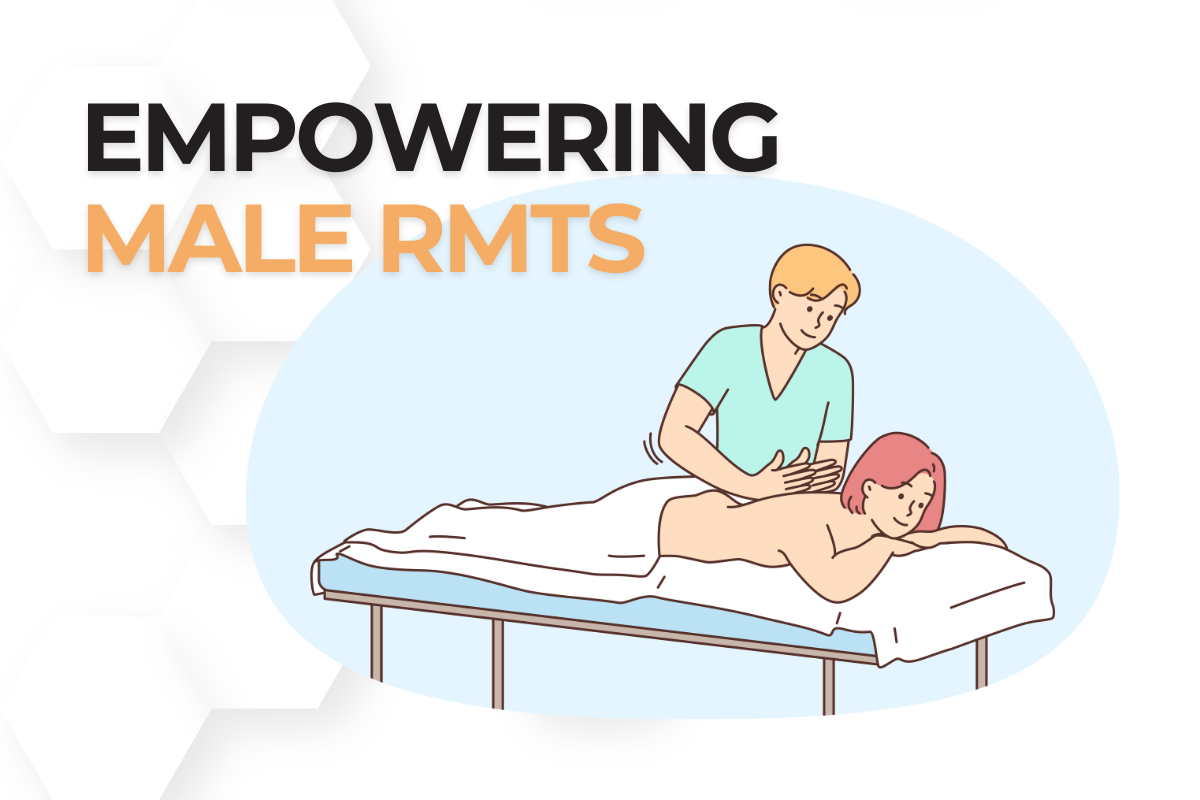
Empowering Male RMTs

Creating a Culture of Inclusivity: Addressing Male RMT Stigma for a Stronger, More Welcoming Clinic

Creating an inclusive massage therapy culture means addressing biases that affect client bookings and team morale. Male RMT stigma remains a nuanced challenge in the industry, often stemming from client misconceptions and societal stereotypes. This issue, if unaddressed, can inadvertently create a less welcoming environment, discourage bookings, and even affect the overall clinic atmosphere.

Building a clinic that embraces inclusivity means educating clients, promoting unbiased perspectives in marketing, and supporting all therapists equally. When clients understand that skill, professionalism, and experience are valued above all, they are more likely to look past any unconscious biases. A clinic fostering inclusivity builds trust, loyalty, and a positive workplace that attracts top talent and appreciative clients.

Origins of Male RMT Stigma

Historical Gender Roles in Massage Therapy

Societal norms surrounding caregiving have historically shaped massage therapy as a female-dominated field. This long-standing stereotype implies that male practitioners may lack the nurturing qualities clients expect, despite their credentials and dedication to providing quality care.

Persistent Misconceptions and Stereotypes

Male therapists often face unfair assumptions regarding their intentions or abilities. Many clients mistakenly perceive male therapists as less gentle or intuitive, despite male RMTs frequently having extensive experience and training. This misconception can cause clients to miss out on the valuable skills and unique perspectives that male therapists bring to the table.

Client Comfort Levels and Cultural Influences

Cultural norms and personal comfort levels also influence client preferences. For some, misunderstandings about male RMTs or past experiences may lead to an initial reluctance, even when the therapist is highly qualified and professional.

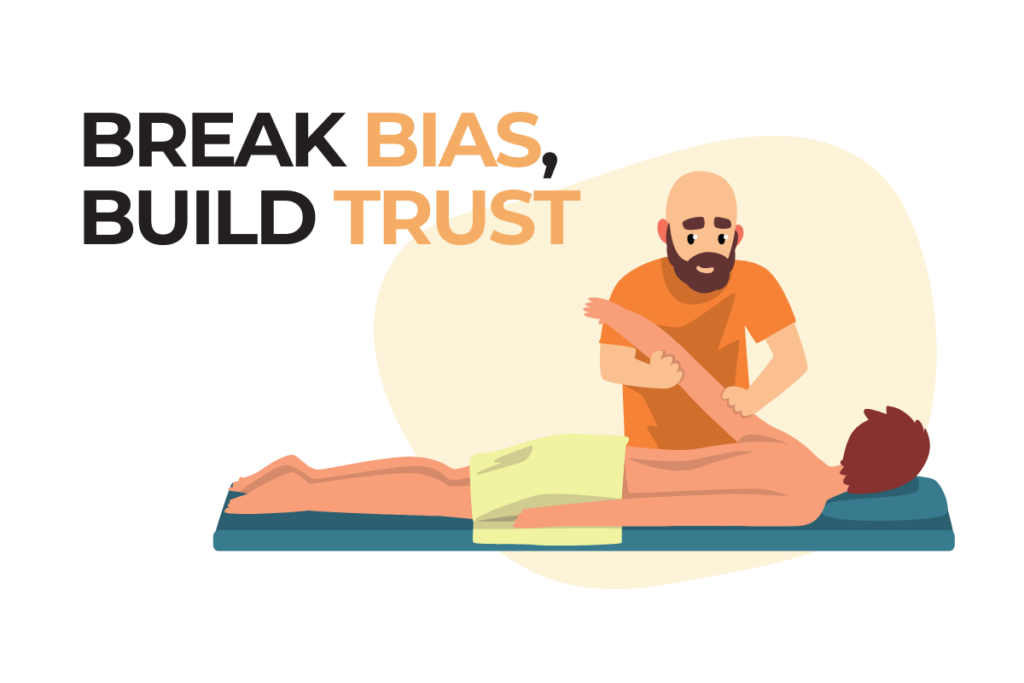
Break Bias, Build Trust

The Impact of Stigma on Male RMTs and Clinic Dynamics

Reduced Client Bookings Due to Male RMT Stigma

Male RMTs may experience fewer bookings compared to their female colleagues, which can result in an uneven workload distribution. This imbalance can impact clinic efficiency and reduce job satisfaction for male therapists, as they may feel sidelined or underutilized.

Building Client Trust and Retention

Establishing rapport with clients can be challenging for all RMTs. Even when clients are satisfied with their session, they may hesitate to rebook, making it harder for male therapists to build long-term client relationships, which are essential for retention.

Influence on Staff Morale and Retention Rates

Facing stigma can negatively impact male RMT morale, making them feel undervalued. Over time, this can increase turnover rates. A clinic that fosters inclusivity and values every therapist’s contributions creates a more cohesive, loyal team.

Strategies to Address Male RMT Stigma in Your Clinic

Educate Clients on Skills and Professional Standards

Providing clients with information about each therapist’s qualifications and expertise helps dispel stereotypes. Showcasing each therapist’s background, specialties, and certifications emphasizes professionalism and encourages clients to choose based on skill rather than gender.

Inclusive Marketing and Communications

Feature male therapists in promotional materials and on social media to normalize their presence. Using inclusive language and diverse imagery reinforces a message that your clinic values skill and experience, not gender.

Understand & Respect Client Preferences

Allowing clients to choose the gender of their therapist during booking accommodates a variety of personal reasons, such as cultural, religious, or comfort-based preferences. By offering this choice, clinics demonstrate respect for individual needs and values, fostering an inclusive and supportive environment.

This approach also ensures equitable opportunities for all therapists, reflecting the clinic’s commitment to honoring diverse client backgrounds and personal boundaries.

Open Feedback Channels

Providing clients with opportunities for anonymous feedback fosters transparency and helps address potential biases. When clients feel their concerns are heard, they are more likely to engage in open dialogue, which can reduce stigma over time.

Supporting the Growth of Male RMTs Through Professional Development

Training in Communication and Client Relations

Equip all RMTs with communication skills that enhance rapport-building and client comfort. Training in empathetic listening and handling concerns can help male therapists establish strong, trust-based relationships with clients.

Mentorship and Career Development Opportunities

Mentorship programs connect male RMTs with seasoned practitioners who can provide guidance on overcoming stigma and navigating client relationships. These connections offer valuable insights and support, encouraging professional growth and resilience.

Fostering a Supportive Workplace Culture

Engaging in regular team-building and discussions on inclusivity helps all staff feel valued and heard. By cultivating a respectful and inclusive work environment, clinics not only retain quality therapists but also create a setting where every staff member is motivated to contribute.

Inclusive Care for All

Real-Life Success Stories and Inclusive Clinic Initiatives

Success Stories of Male RMTs

Sharing narratives of male RMTs who have successfully built loyal client bases reinforces that professionalism and skill are the cornerstones of client satisfaction. These stories demonstrate the real impact male therapists can make, encouraging a more open-minded approach.

Inclusivity Initiatives at Your Clinic

Highlighting efforts, such as featuring diverse staff on your website and creating accessible feedback channels, reinforces your clinic’s commitment to inclusivity. These examples inspire both clients and other clinics to recognize and appreciate diversity within the industry.

Embracing Diversity: A Positive Path for Massage Therapy

Addressing the stigma against male registered massage therapists (RMTs) goes beyond simply accommodating client preferences; it’s about creating a culture of genuine inclusivity and respect within your clinic. By actively fostering an environment that values diversity, you send a powerful message to clients, staff, and the broader community: that your clinic prioritizes skill, professionalism, and individual contributions over outdated biases. Investing in each therapist’s growth—regardless of gender—strengthens client relationships by enabling clients to experience the full spectrum of expertise and perspectives available in your clinic. When clients see that every therapist is valued and supported, their trust in your clinic deepens, enhancing loyalty and encouraging word-of-mouth recommendations.

This approach not only builds a welcoming and cohesive team but also positions your clinic as a leader in setting progressive standards within the massage therapy field. Clinics that champion diversity foster a work environment where all therapists are motivated to excel, contribute unique skills, and pursue their career aspirations without limitations.

Creating such an inclusive space also increases staff retention and attracts top talent, which enhances the quality of service clients receive. Ultimately, a diverse and supportive clinic environment positively impacts the overall client experience, establishing your clinic as a trusted community resource where every client feels comfortable and every therapist has the opportunity to thrive. By embracing diversity, you make a lasting, positive impact that sets your clinic apart, driving growth and fostering a sense of belonging that extends far beyond the treatment room.

FAQs

How can I educate clients about the qualifications of male RMTs without focusing too much on gender?

Emphasize the expertise and credentials of all therapists, presenting qualifications in a way that highlights skill over gender. Display therapist profiles, including certifications and specialties, both in-clinic and online to reinforce professionalism.

What’s the best way to promote inclusivity in our clinic’s marketing?

Feature male RMTs in marketing materials, use inclusive language, and create messaging that focuses on the collective skill of your team. Acknowledge diverse client needs, emphasizing your clinic’s commitment to providing quality care for everyone.

How can I support male RMTs in managing client hesitations?

Offer training in communication skills and client rapport-building. Encourage male RMTs to take a proactive approach to addressing client concerns and to build trust through professionalism and effective communication.

How do I create a feedback system that supports a more inclusive environment?

Provide an option for anonymous feedback through online surveys or in-clinic comment boxes. Regularly review feedback to identify trends and opportunities for improvement, and address concerns transparently to show that all client voices are valued.

By fostering an inclusive, supportive environment that actively challenges stigma, you create a clinic where clients and therapists alike can thrive. When clients feel that all therapists are valued for their skill and professionalism, they’re more likely to trust your team and return, ensuring the long-term success of your practic

Establishing Professional Boundaries in Massage Therapy

Set Clear Boundaries

Setting Clear Boundaries for a Healthier Massage Therapy Practice

Massage therapists face the unique challenge of providing compassionate care while maintaining professional boundaries. This balance is crucial, as clients may seek not only physical relief but also emotional support. Building therapeutic relationships is essential for effective treatment and client loyalty, but clear boundaries are equally vital to protect both the client relationship and the therapist’s well-being.

Boundaries go beyond simple guidelines; they are essential tools for promoting a sustainable, healthy practice by preventing burnout, upholding ethical standards, and enhancing the client experience. In this article, we explore practical strategies for establishing and maintaining boundaries across different aspects of your practice, from setting session limits and managing sensitive conversations to handling complex client expectations. These actionable insights will help you foster a respectful, supportive environment that builds trust and allows you to deliver consistent, quality care without compromising your wellness.

Understanding Professional Boundaries in Massage Therapy

Defining Professional Boundaries

Professional boundaries are the invisible lines that outline appropriate interactions between therapists and clients, covering everything from physical space to emotional interactions. Maintaining these boundaries fosters a safe, respectful environment for clients while preserving the therapist’s energy and professionalism.

How Clear Boundaries Build Trust

When clients understand the limits and expectations within a therapeutic setting, it strengthens their trust and respect for the therapist. Without clear boundaries, miscommunications or misunderstandings can occur, potentially damaging the therapeutic relationship.

Build Client Trust

Common Challenges in Setting Boundaries

Emotional Boundaries: Navigating Personal Conversations

Massage therapists often become confidants, with clients sharing personal stories during sessions. However, absorbing too much emotional weight can lead to fatigue and burnout. Striking a balance is essential. Gently redirect conversations that become too personal by acknowledging the client’s feelings and refocusing on treatment. For example, say, “That sounds challenging; I hope this session brings you some comfort.”

Physical Boundaries: Respecting Comfort Levels

Physical touch is integral to massage therapy, but each client has unique comfort levels. Understanding and respecting these preferences ensures a positive experience for both parties. Use a clear consent process to check in with clients about touch preferences before each session, adjusting techniques to align with their comfort levels.

Time and Energy Boundaries: Avoiding Overextension

Therapists may feel pressured to accommodate clients outside regular hours or extend session times, which can lead to burnout. Set firm working hours and adhere to session times. Politely remind clients when a session is ending to ensure respect for your schedule.

Policy Enforcement: Finding the Right Balance

Clear policies on cancellations, treatment scope, and other operational aspects are vital but can feel challenging to enforce. Therapists may worry about alienating clients with strict rules. Draft straightforward policies and communicate them compassionately. For example, explain, “To provide the best care, I require a 24-hour cancellation notice.”

Personal Boundaries Outside Work Hours

Clients may reach out beyond clinic hours for advice or support. However, balancing professional and personal time is essential for therapist well-being. Set clear boundaries around after-hours communication, and consider using automated responses to inform clients of your available hours.

Strategies for Establishing Clear Boundaries

Develop a Professional Code of Conduct

A well-defined code of conduct reinforces expectations for both therapists and clients, covering aspects like punctuality, communication preferences, and conduct during sessions. Including your code of conduct in new client welcome materials sets a professional tone from the beginning.

Communicate Assertively

Assertive communication is essential for expressing boundaries clearly and confidently. Being direct yet compassionate allows you to address client needs while preserving your limits. Practice responses to common boundary-pushing scenarios to feel prepared and confident.

Implement Written Policies

Detailed written policies provide clarity and reduce ambiguity, helping clients understand your boundaries without personal confrontation. Develop a policy document covering areas like cancellation fees, treatment boundaries, and communication guidelines.

Maintaining Boundaries During Client Interactions

Conduct Thorough Client Intakes

Understanding a client’s needs from the outset is crucial for setting appropriate boundaries. A comprehensive intake allows you to clarify treatment goals and expectations. Use intake forms to gather key information and discuss treatment preferences, aligning boundaries before the first session.

Consistent Policy Enforcement

Consistency is key in reinforcing boundaries. Apply policies uniformly so that all clients understand and respect your expectations. Address boundary breaches promptly but professionally. For instance, a gentle reminder such as, “As per our policy, we need to stick to the agreed session time,” can be effective.

Self-Reflection and Improvement

Regularly reviewing your boundaries and client interactions helps maintain a sustainable, healthy practice. Reflect on client interactions periodically to identify areas for improvement and adjust your boundaries as needed.

Prevent Burnout, Thrive

Self-Care Practices to Prevent Burnout

Recognizing Burnout Signs

Burnout can affect the quality of care provided. Watch for early signs such as fatigue, irritability, or detachment from clients. Establish regular check-ins with yourself, noting energy levels and stress indicators after sessions.

Work-Life Balance

Balancing work with personal time is crucial for sustained well-being. Schedule breaks and leisure activities each week, protecting downtime as essential for long-term success.

Seeking Professional Support

Therapists benefit from sharing experiences and receiving guidance from peers or professionals. Joining massage therapy forums or peer groups can provide support, validation, and new strategies to help manage the challenges of setting boundaries.

Cultivating a Sustainable, Trust-Focused Practice through Strong Boundaries

Establishing and maintaining professional boundaries is essential to building a successful and fulfilling massage therapy practice. Boundaries create a framework that protects both the therapist’s well-being and the integrity of the client relationship, enabling therapists to provide consistent, quality care. By fostering clear, compassionate communication and consistently enforcing policies, therapists can build trust with clients, enhance client satisfaction, and reduce the likelihood of misunderstandings that could harm the therapeutic relationship.

Proactively setting boundaries helps therapists maintain their physical and emotional energy, preventing burnout and extending their career longevity. Effective boundaries also encourage clients to engage more fully in the therapeutic process, as they feel safe and respected within a structured and predictable environment. Ultimately, investing in strong professional boundaries allows therapists to create a sustainable practice that balances client care with self-care, ensuring they can continue to serve clients effectively over the long term while enjoying a healthy work-life balance.

FAQs

How do I politely enforce a cancellation policy without losing clients?

Be transparent about your policy from the beginning. Mention that cancellations disrupt your schedule and reduce availability for other clients. Using gentle language, like “To offer the best care to all clients, I require a 24-hour cancellation notice,” maintains professionalism.

What if a client shares too much personal information during a session?

Redirect the conversation by acknowledging their feelings briefly, then guide the focus back to treatment. For example, “Thank you for sharing. Let’s focus on making this session as relaxing as possible.”

How do I manage a client who is too chatty during treatment?

Gently set expectations at the beginning of the session. You might say, “Many clients find a quiet environment enhances their relaxation; feel free to let me know if you have any preferences.”

What’s the best way to enforce boundaries with long-term clients?

Consistency is key. Approach each session with the same policies and expectations. If boundaries start to slip, address them calmly, explaining that maintaining these boundaries ensures the best care for all clients.

Incorporating these boundary-setting strategies can empower massage therapists to protect their personal and professional well-being while building a trusted, sustainable practice,